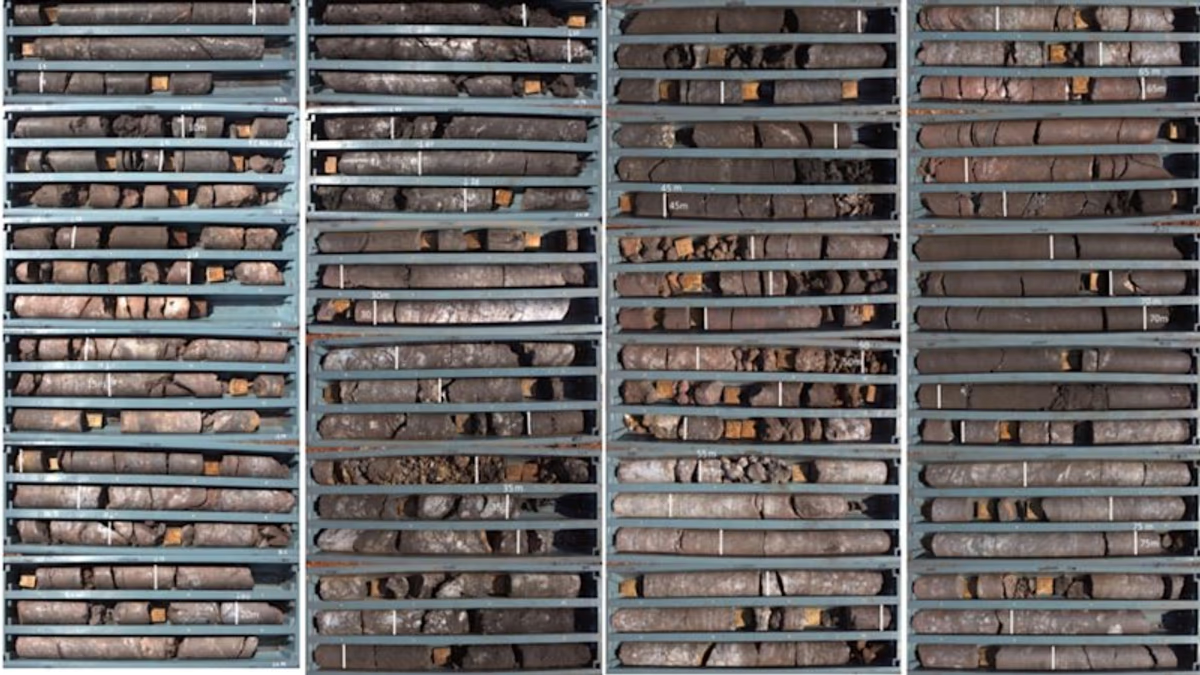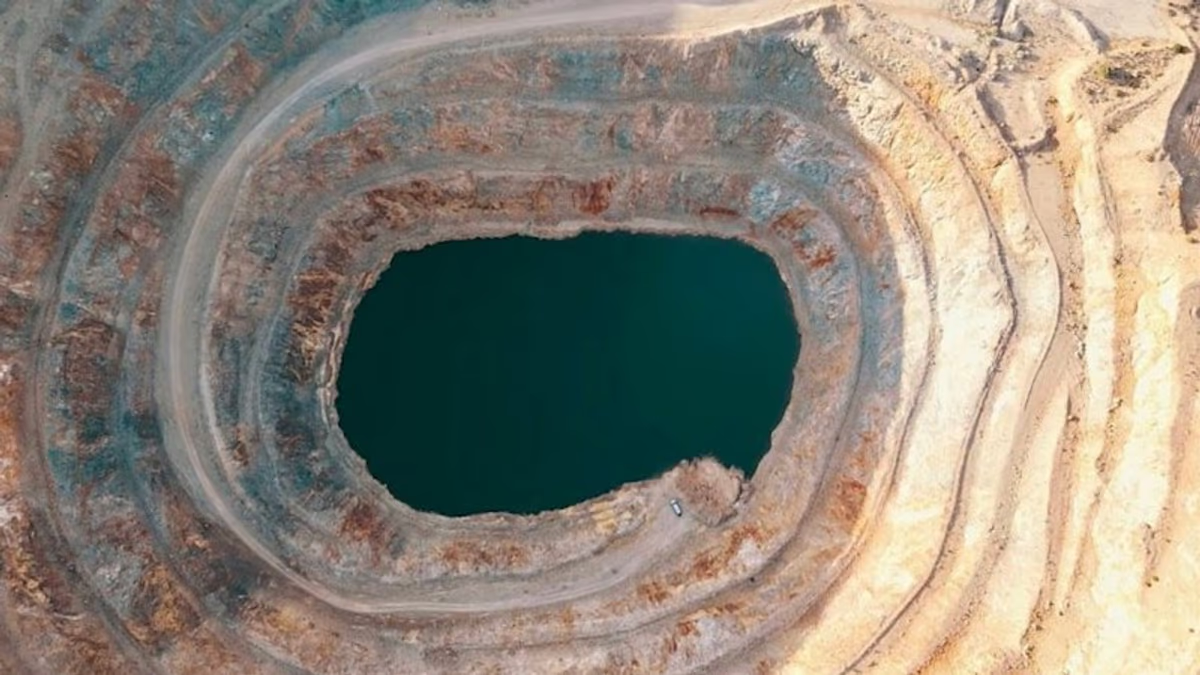
Dateline Resources and the United States Government have separately asked the United States Court of Appeals for the Ninth Circuit to lift a preliminary injunction that halted all activity at the Colosseum gold and rare earths project in California.
The injunction was filed by the National Parks Conservation Association, and a three-judge panel will now consider whether to grant a stay so work can resume while a full appeal proceeds. The court will weigh four legal factors: the merits of the appeal, harm from the injunction, consequences of resuming work, and the national interest.
Dateline and the US Government argue the four factors favour lifting the ban. Central to their case is the claim that Dateline’s Plan of Operations, approved by the Bureau of Land Management in 1985, created a “valid existing right” that survived the creation of the Mojave National Preserve.
The company says the National Park Service has recognised that right on three occasions, in 1995, 2024 and again in April 2025. Those administrative recognitions form a cornerstone of Dateline’s appeal strategy to the Ninth Circuit.
Washington’s involvement has intensified the dispute. The US Department of Justice filed a motion for a stay, and the Department of War filed a sworn declaration asserting the project’s exploration is in the national security interests of the United States.
Colosseum has a long operational history: it was developed by Alan Bond’s Bond International Gold in the late 1980s and produced 344,000 ounces of gold before closing in 1993. Dateline acquired the asset from Barrick Gold in 2021 for A$3.4 million, including environmental bonds.
A bankable feasibility study completed in May projects US$1.08 billion in pre-tax free cashflow and a pre-tax net present value of US$785 million (about A$1.12 billion). The study is built on a maiden ore reserve of 20.6 million tonnes grading 0.95 grams per tonne gold, supporting a 10.4-year mine life and total production of 573,000 ounces at an all-in sustaining cost of US$1,825 (about A$2,620) per ounce using a strip ratio of 3:1.
Production is forecast to average 75,000 ounces a year during the first six years and peak at 102,000 ounces in year six. Those metrics are the key economic drivers Dateline points to in arguing the project’s commercial and strategic value.
The site also carries rare earths potential. Colosseum lies about 10 kilometres from the Mountain Pass mine, the only major operating rare earths facility in the US, operated by MP Metals. Dateline has been advancing other California critical minerals projects, including the Music Valley heavy rare earths target where rock-chip sampling returned 7.13 per cent total rare earth oxides, and the Argos project, described as the largest known strontium deposit in the United States.
Dateline’s legal push comes as the company marks the recent death of long-time chairman Mark Johnson AO, a former deputy chairman of Macquarie Bank who led the firm’s US strategy over more than a decade. The board says it remains committed to advancing Colosseum from feasibility toward development.
The Ninth Circuit’s decision on whether to stay the injunction will determine if Dateline can return crews and equipment to the site while the plaintiffs’ challenge continues through the courts. The three-judge panel will set the timetable for that decision once both motions are filed and briefed.