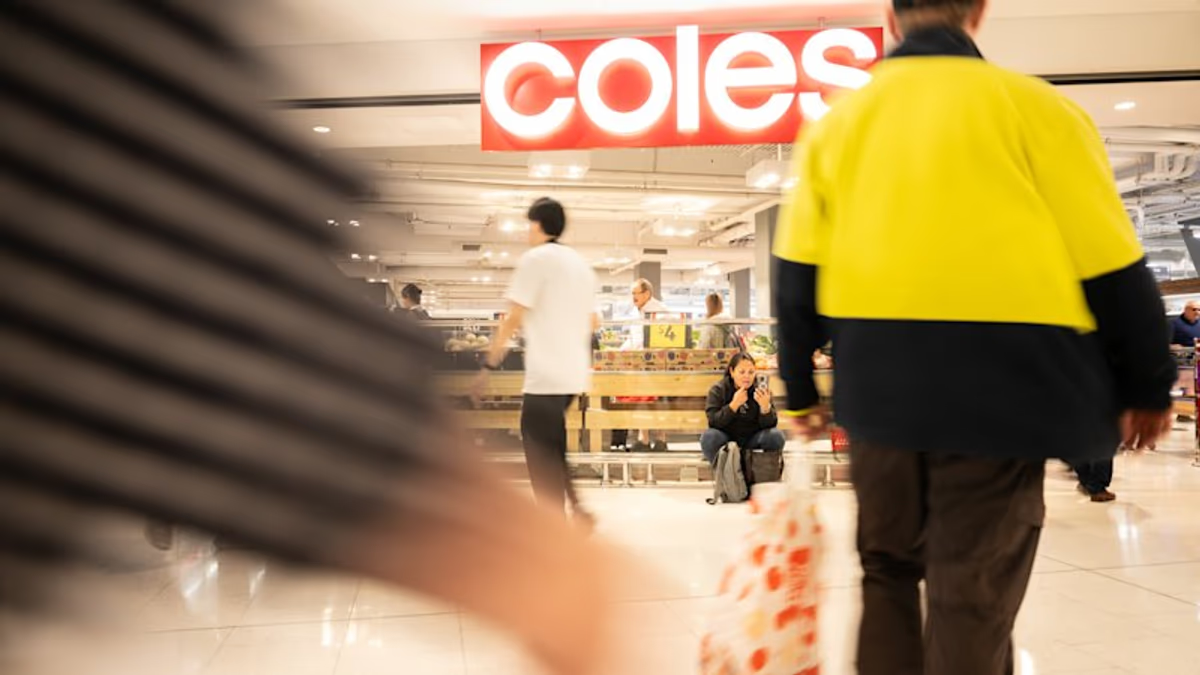
David Jones’ board and new owners are scrambling to renegotiate leases with multiple landlords as the 188-year-old retailer fights to avoid a large-scale collapse before the busy Christmas season. People with knowledge of the situation say the company’s store network could be cut from 38 branches to about 12 to 15.
Anchorage Capital Partners, which sits on the David Jones board, bought the chain in December 2022 for between $100 million and $150 million. The private equity owner and chief executive Erica Berchtold are working on options to preserve a viable business, while a distressed lender, Hilco, retains the right at any time to appoint receivers.
The store’s current troubles have been magnified by previous attempts to raise cash through property sales. Woolworths Holdings paid $2.1 billion for David Jones in 2014 and later sold several key assets: Market Street in Sydney for $360 million in 2016, 299 Bourke Street in Melbourne for $121 million in 2020, and the Elizabeth Street flagship for $510 million in a leaseback that created an immediate rent bill of $25.5 million a year.
Those transactions helped reduce debt but left the retailer with ongoing rental obligations and a smaller balance sheet to respond to changes in shopping habits. Online competitors such as Amazon and Temu, and the rise of same-day delivery, have hollowed out traditional department store traffic and margins.
"Department stores generally were very important culture centres and landmarks in Australia," said retail historian Matthew Bailey.
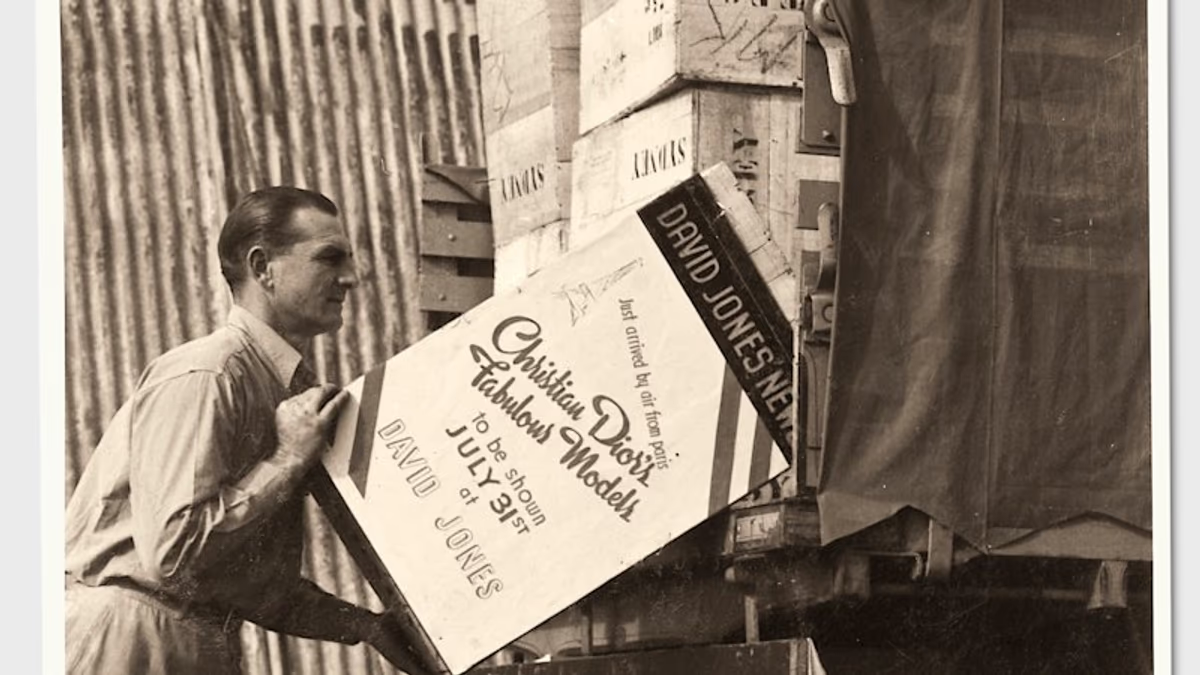
David Jones traces its origins to 1838, and it still trades under its original name. The store has long featured in national moments: French designer Christian Dior staged a major fashion parade in Sydney at David Jones in 1948, and Queen Elizabeth II visited the Elizabeth Street store during her 1954 royal tour.
The business has been through several ownership and strategic shifts. The Jones family ran the company for 142 years before a takeover by John Spalvins in 1980, and the retailer was relisted on the ASX in 1995. Under Mark McInnes, who led the firm from 2003 to 2010, David Jones repositioned toward the premium end of the market with exclusive designer concessions.
Former chief executive Paul Zahra, who ran David Jones from 2010 to 2014, described the store’s old role in customers’ lives: "I still have people stop me in the street to tell me their DJs story," he said, recalling a regular who shopped the food hall every day. Zahra said those relationships made David Jones a daily destination for many shoppers.
Retail analysts point to long-term structural change as the cause of the decline: suburban malls and cars reduced the need to travel to CBD department stores, and rising labour costs and shifting consumer habits eroded the services that once defined the business. Today, a minority of stores account for most sales, people with knowledge of the situation say roughly 70 per cent of revenue comes from about a third of locations.
For the second time in four years, the chain faces a rescue that must be concluded before the end-of-year trading period if a significant part of the network is to remain open. The company’s board and Anchorage are reported to be negotiating with landlords and other stakeholders, while Hilco’s ability to call in receivers adds urgency to the talks.
Erica Berchtold, who previously led Mosaic Brands for just over a year before that company failed, has not commented on the current negotiations and declined to provide a statement.