The NSW Strata and Property Taskforce has been conducting surprise audits at Sydney real estate offices as the state moves to toughen penalties and transparency rules for underquoting.
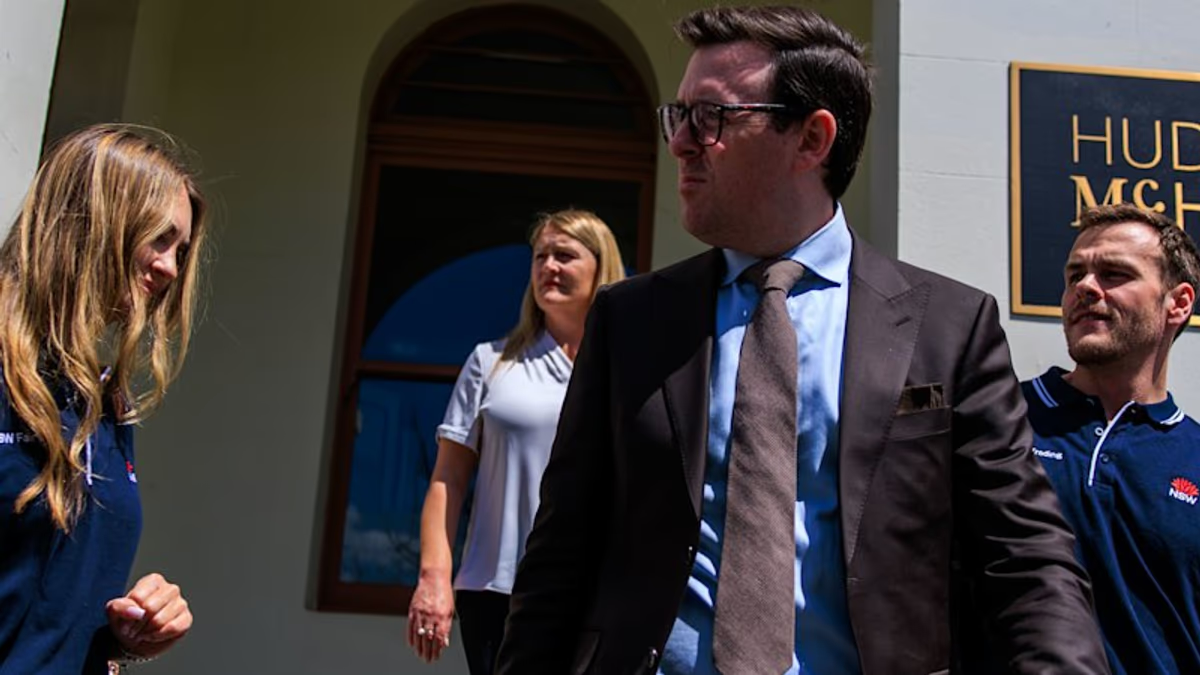
Inspectors enter agencies after identifying themselves, request financial records and marketing material, and set up laptops to review sale files. They examine how agents arrive at price guides by checking comparable sales and probing communications sent to prospective buyers, including emails, texts, WhatsApp and WeChat messages.
"Thank you for raiding us"
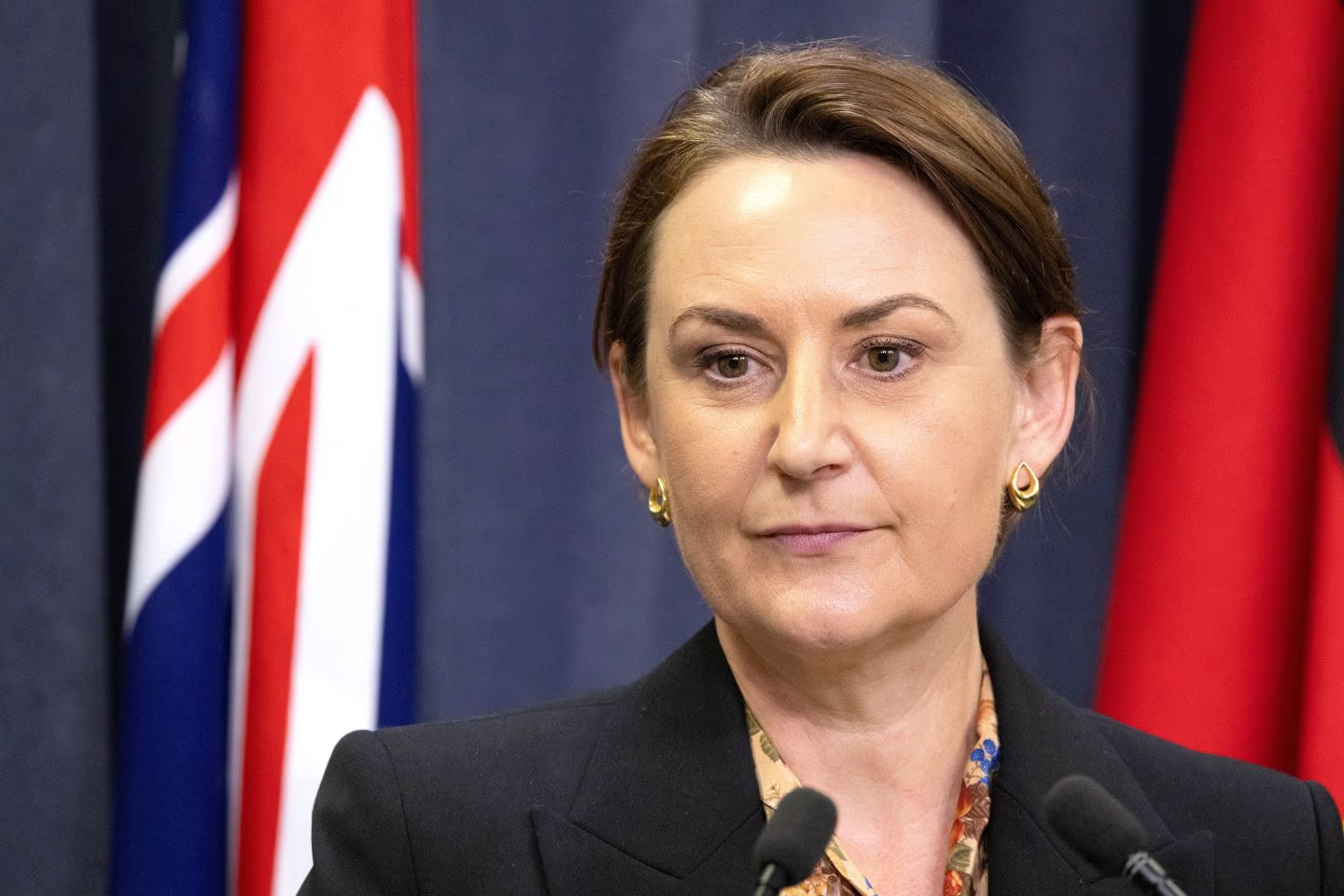
The remark was delivered sarcastically by the head of one Sydney agency as taskforce members carried out a compliance check in person, with NSW Fair Trading Minister Anoulack Chanthivong present.
From mid-November vendors will be required to publish price guidance that is more transparent, and penalties for underquoting will rise from $22,000 to $110,000 or three times the agent’s commission, whichever is greater. The penalty for dummy bidding will also increase to $110,000. Agents will be barred from advertising a selling price lower than a previously rejected written offer or the highest unsuccessful auction bid, and from February will have to publish a statement explaining how a guide was calculated.
The taskforce says it has already been active on the ground: since last year it has attended 116 auctions, performed 469 Anytime Anywhere underquoting checks, and issued more than 70 fines totalling almost $160,000. A plain‑clothes blitz in September visited almost 80 homes and resulted in 10 fines alongside warnings and education directives.
The crackdown comes as Sydney’s housing market cools. Median house prices have fallen 5.8% over the year, including a 4.7% decline in the three months to September, while median unit prices dropped 3% in that quarter. Lower clearance rates and fewer buyers have shifted bargaining power, and some agents who relied on high commissions have left the industry.
Some agents have used inspections with the minister and commissioner to raise concerns about the reforms. Ewan Morton, co‑founder of a Pyrmont agency that passed a compliance check, warned that prohibiting advertisements below previously rejected offers could trap vendors who later regret turning down hopeful bids when conditions change.
Minister Chanthivong said the changes should save buyers time and money by making price expectations clear early in their search, and argued the rules should also protect honest agents from competing with bad‑faith operators. Taskforce Commissioner Angus Abadee described the reforms as aiming to restore trust between consumers and the profession, saying, "There’s been a presumption that all agents are doing the wrong thing, which they’re not. Most people are doing the right thing ... so this is about levelling the behavioural playing field."
Inspectors include forensic accounting specialists who check trust accounts, and compliance staff who select two listings at each agency and test whether the comparables used to set guides are appropriate. Authorities note that proving underquoting often requires digging into private communications, which is why the new rules will compel clearer public statements about how guides are derived.
Regulators maintain a public register of agents penalised for underquoting and encourage agencies to use the compliance visits as an opportunity to seek clarification on operational questions, such as what constitutes a valid offer and the extent of disclosure obligations for events that might deter buyers. The statement of information requirement from February will add a further layer of disclosure about price guides and how they are calculated.