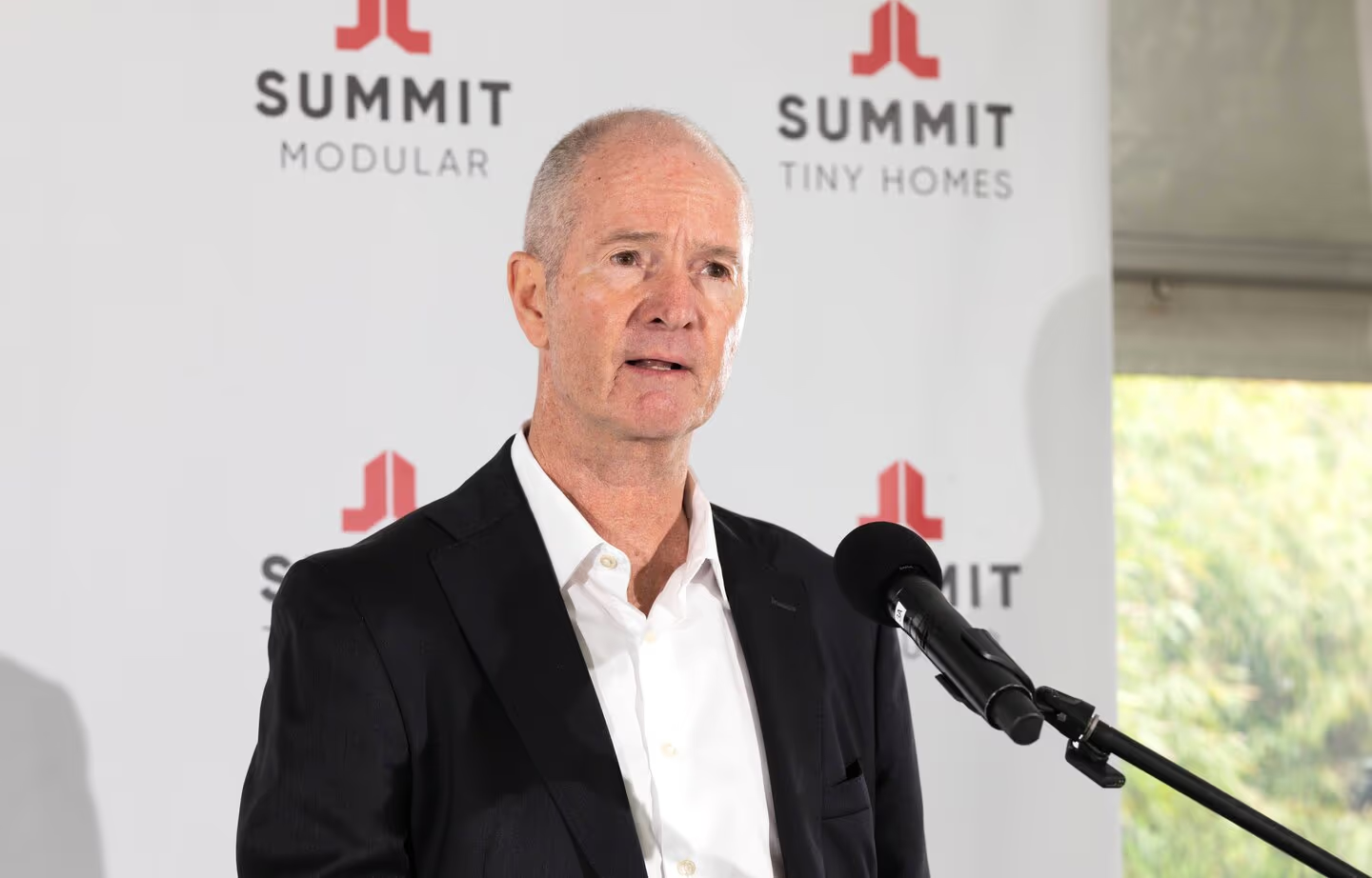
The boss of Summit Homes has warned that brick imports are unsustainable, a remark that has sharpened focus on material sourcing in the residential construction sector.
The executive did not provide figures or a detailed timeline in the public comment, so the scale of the issue and how quickly it might affect projects is not yet clear.
The statement touches on a broader concern about dependence on overseas supplies for key building materials, a reliance that industry participants say can leave projects exposed to shipping delays, tariff changes and price volatility.
For builders, any squeeze on masonry supplies can complicate scheduling and increase the risk of cost blowouts on medium and large developments, because bricks remain a central material for many residential builds.
Suppliers and manufacturers that compete with imported brick will be watching the conversation closely, as calls for stronger local production or protectionist measures often follow this kind of industry warning.
Policymakers who deal with industry and manufacturing have to balance the cost benefits of imports against the potential for local job losses and supply vulnerability, an issue that has featured in debates about construction inputs in recent years.
Home buyers and developers may feel effects through slower completion times or higher prices if builders adjust procurement strategies to reduce import exposure.
Summit Homes' comment adds to existing discussion within the building sector about securing reliable, affordable materials. Industry groups and competitors have not been cited in relation to this specific remark.
Without further data from Summit Homes, the immediate practical implications remain uncertain, but the warning is likely to prompt closer scrutiny of brick supply chains and contingency planning across the construction industry.