Big W returned to profitability in the most recent financial year, recording a $64 million profit after a $33 million loss in the 2025 financial year, as the Woolworths-owned chain pushes a refresh of stores, pricing and product ranges.
The retailer operates about 178 stores, roughly half the footprint of rival Kmart, which runs more than 300 sites. Kmart’s parent companies regularly generate profits in excess of $1 billion, a scale Big W has struggled to match since announcing 30 store closures in 2019.
Woolworths has signalled it will review the role of Big W inside the group. In early 2025 the supermarket group’s chief executive, Amanda Bardwell, ordered a strategic review of the company’s portfolio, and in August 2025 Woolworths moved Big W’s technology systems out of the main group, a step market commentators often link to preparing a business for possible separation or sale.
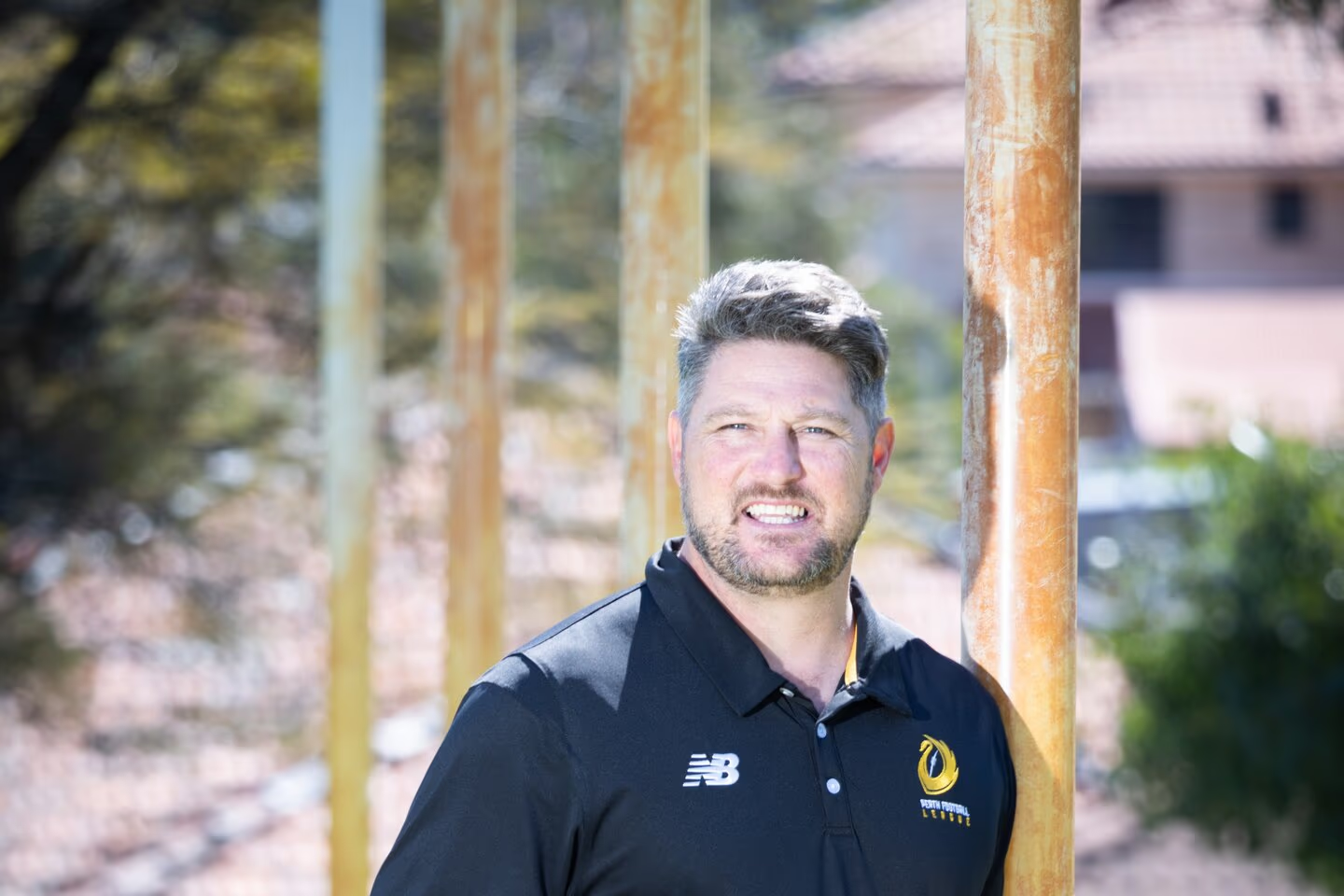
Big W’s managing director, Dan Hake, says the chain has completed an initial phase of change and still has work ahead.
“We’re still early days in our transformation,” Hake said. “We’ve had an important milestone this financial year, which was to prove out that we can step up our game in product. We can be absolutely competitive on price, and we can be lean and consistent enough in our operations that we can still make a profit at the end of the year. That’s just step one.”
The executive team has focused on three basic objectives: keep shelf prices low, lift product quality, and run the business more efficiently. Big W says it has invested in clothing, health and beauty, and homewares, hired more product designers and category managers, and reworked store layouts to improve the shopping experience.
Renovated stores such as Plumpton in western Sydney feature pastel-coloured, larger change rooms designed for parents with prams, and semi-enclosed sections for beauty and tech products. Management says these changes aim to encourage browsing and reduce theft. Some price points are deliberately low: childrens’ tees priced at $3, a budget barrel-leg jean at $30, and about 80 per cent of womenswear now sits under $20.
Big W still leans on areas where it has traditionally performed well, including children’s clothing, toys and books. Its sizeable book department has drawn complaints from independent bookshops that Big W’s prices and scale undercut local operators.
Kmart’s advantage is clear to analysts: a dominant private-label strategy through its Anko brand and a tightly controlled supply chain that moves trending designs from Asian factories into stores in large volumes. Academic commentators say that approach has turned Kmart into a cultural destination for younger shoppers. RMIT University associate professor Marian Makkar said Kmart removed the stigma from bargain shopping and made late-night runs a social habit, while Macquarie Business School’s Jana Bowden said the chain sells a sense of style and identity alongside low prices.
Some investors question whether Big W can re-establish a clear identity. The lead portfolio manager at Ten Cap, which does not hold Woolworths shares, said she did not see a distinct brand position for Big W and wondered how patient Woolworths would be while the turnaround plays out. “You have to give it at least three years. I’m just not sure if Woolworths is that committed for Big W to turn around,” the manager said.
Hake rejects distraction from speculation and says the team is focused on building a profitable retailer that meets family needs. “The policy the team and I have is: let’s not get distracted by what’s in the news or what the rumours might be. Let’s keep building this amazing brand, and let’s create a profitable business that’s returning money to shareholders. That’s the focus.”