Driverless rideshare fleets that are already operating in several US cities are under active discussion in Australia, raising questions about road safety, fares and the future of driving jobs.
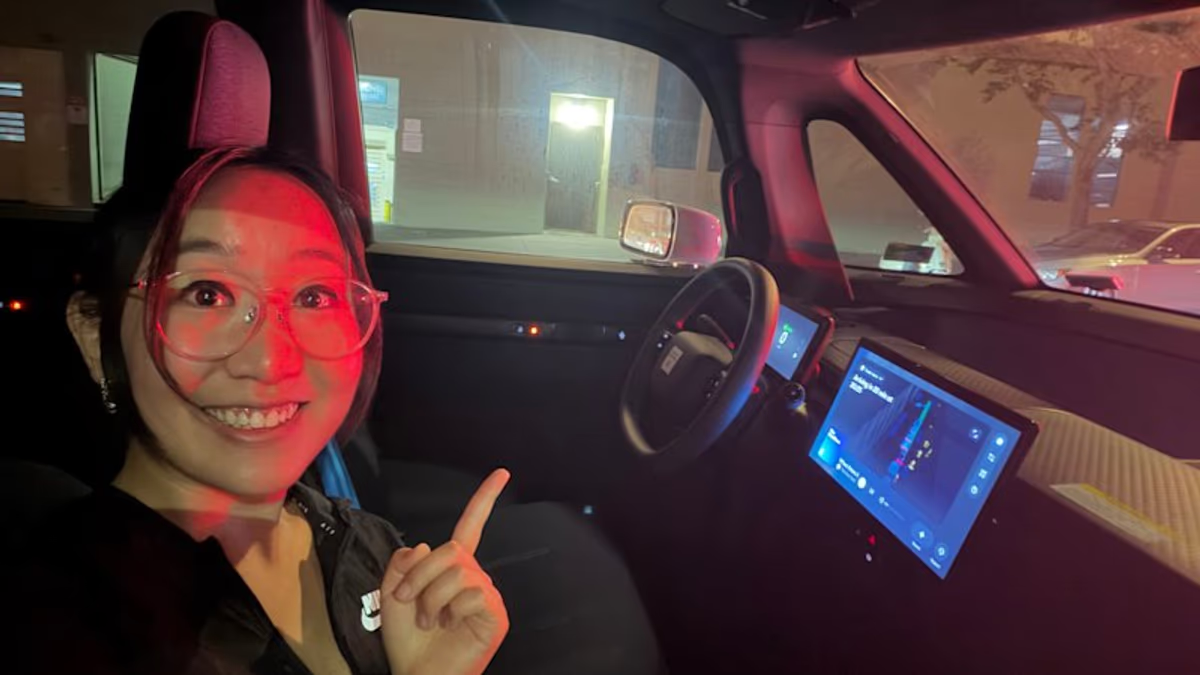
Alphabet-owned Waymo has launched robotaxi services in more than a dozen US cities including Miami, Dallas and Los Angeles, and lists Tokyo as a future destination. Its fleet is largely electric and includes premium models such as Jaguar vehicles, using a network of external sensors that feed machine-learning systems to steer each car.
The company provides safety statistics it says support the technology. Waymo reports its vehicles have had 95% fewer crashes resulting in “serious injury or worse” and 93% fewer crashes with pedestrians resulting in injuries compared with human-driven vehicles over the same distance.
"always alert, follows speed limits, promotes seatbelt use and operates some of the safest vehicles on the road"
Real-world footage and local reports show driverless cars sometimes get stuck, take awkward routes or struggle with unusual scenes such as police directing traffic, but regulators and companies point to lower serious-injury crash rates as a key benefit for passengers.
Unions in Australia have pushed for a halt to widespread rollouts until stronger rules are set, and have proposed a "human driver guarantee". Under the proposal operators would have to ensure human drivers received 95% of jobs during the early rollout and closer to 85% over time.
Academic modelling adds weight to the unions' concerns. The John Curtin Research Centre has estimated that an unprotected, widescale deployment of robotaxis could cost up to 85,600 jobs and $220 million in wages in Australia. Early US deployment data from cities such as Austin and Phoenix show per-trip earnings for drivers fell by 5.3% and 2.4% respectively, compared with a 3.4% increase nationwide.
Shifting to robotaxi fleets would move a larger share of revenue from wages to capital owners, increasing the portion of profits that flow to investors rather than drivers. Companies say new roles will appear, including remote operators and on-the-ground technicians, but research suggests those jobs will be far fewer than the driving roles that could disappear.
Price is another immediate factor for passengers. Limited comparisons show Waymo trips in the US cost about 10-15% more than comparable Uber or Lyft rides, although that gap narrowed when tips were included. Experts say competition could reduce fares over time, but the high fixed cost of setting up and maintaining a robotaxi fleet makes it harder for new rivals to enter once a dominant operator is established.
For Australia, regulatory detail will matter. The Transport Workers' Union has flagged plans to use the Fair Work Commission to seek legally enforceable minimum rates if robotaxi platforms deploy without safeguards. At the same time, some state officials have signalled a willingness to trial the technology, and discussions with the federal government are under way.
Some state leaders, including NSW premier Chris Minns, have publicly expressed support for introducing robotaxis onto Australian roads.