Slater and Gordon has opened an investigation that could become a class action against Uber in Australia, focusing on sexual assaults, harassment and other misconduct allegedly carried out by drivers while transporting passengers.
The law firm said it is examining whether Uber’s systems, policies and practices protected female passengers and whether the company acted appropriately when complaints about driver conduct were reported. It has invited women to register their experiences and consider joining the legal action.
"Women should be able to get home in an Uber safely, without being frightened or violated by the person behind the wheel, or left wondering whether anyone will listen and act," Cindy Bors, the firm’s practice group leader, said.
Slater and Gordon framed the potential case around Uber’s responsibilities as a platform, not as individual driver misconduct. The firm is assessing whether the company’s argument that drivers are independent contractors removes a duty to protect passengers.
Uber’s handling of driver complaints has already attracted regulatory and public scrutiny in Australia. The company, valued at $US135 billion (about $192 billion) on global markets, has faced repeated appeals by deactivated drivers through a new unfair-deactivation avenue opened in February last year, with the Fair Work Commission often ordering drivers reinstated where complainant evidence was not collected.
Legal developments overseas have sharpened the focus on Uber. More than 4,000 complainants have pursued litigation in the United States, and the first plaintiff victory this year saw Uber ordered to pay $US8.5 million in damages to a rider.
US court documents revealed discrepancies between incidents Uber publicly disclosed and internal records. The New York Times reported the platform publicly disclosed 12,522 allegations of sexual assault and misconduct over five years, while court filings later revealed a total of 400,181 allegations for the same period.
Reports have also outlined a predictive algorithm Uber developed, using 43 factors such as prior complaints of “creepy” behaviour, a driver’s safety history and pickup location characteristics. In US testing the tool identified about 15% of assaults correctly, but the company acknowledged it continued to allow some high-risk pairings because blocking them would have left riders stranded in certain situations.
"The harm doesn't end when the Uber trip ends," Bors said, urging women who felt their reports were not acted on, or who did not report at the time, to come forward about what happened and how Uber responded.
An Uber spokeswoman said the company remained committed to improving safety and that unfair-deactivation laws had made it difficult to remove drivers from the app, despite reforms introduced by the Albanese government in June that aimed to ease those constraints. The spokeswoman added the company was calling for further reform.
"Safety is a core value at Uber, and we have invested billions of dollars and countless hours to protect the safety of users during trips," the spokeswoman said. "One sexual assault is one too many, and we take every report seriously ... We are committed to continually strengthening our technology, policies, and procedures to protect riders."
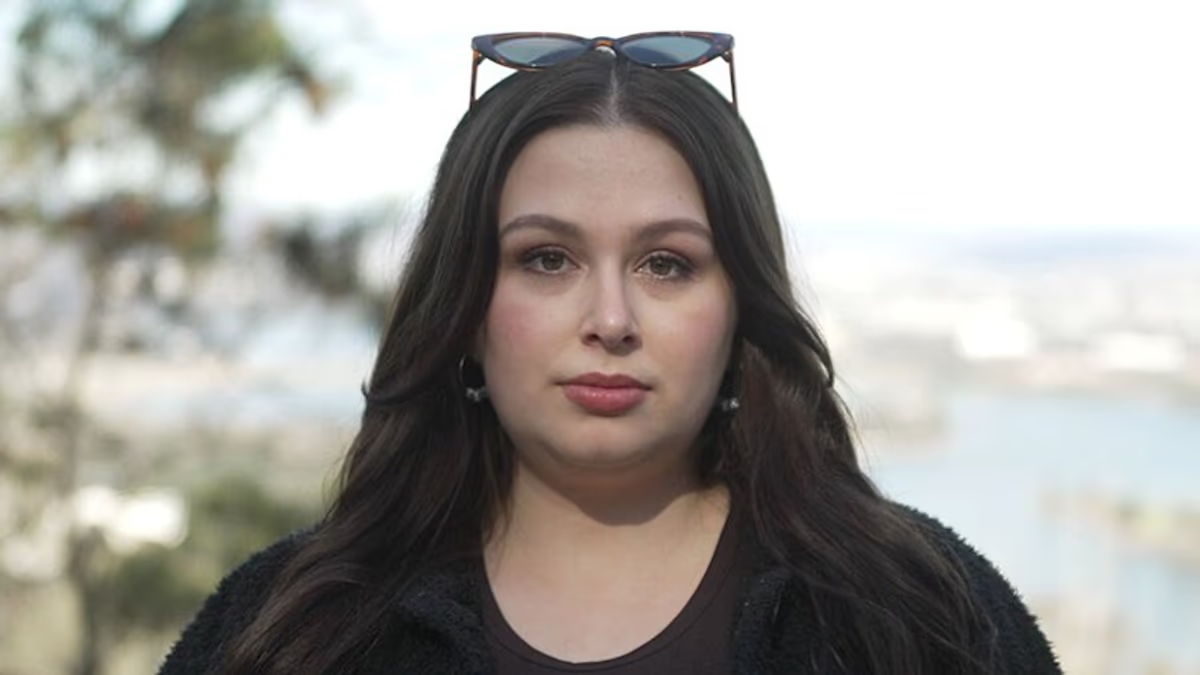
The firm’s action follows reporting and a forthcoming television investigation into the case of Canberra woman Taylor Mostacci, who says she was indecently assaulted by an Uber driver in 2021. Her driver was suspended after her complaint, later reactivated, and in 2025 an ACT court convicted the driver. Mostacci said the incident continues to affect her life.
"I’ll never risk being in an Uber by myself. Uber has a responsibility to take care of its customers, and it has a responsibility to protect us, to look after us," Mostacci said.
Mostacci’s full story will be included in a 60 Minutes investigation airing this Sunday.