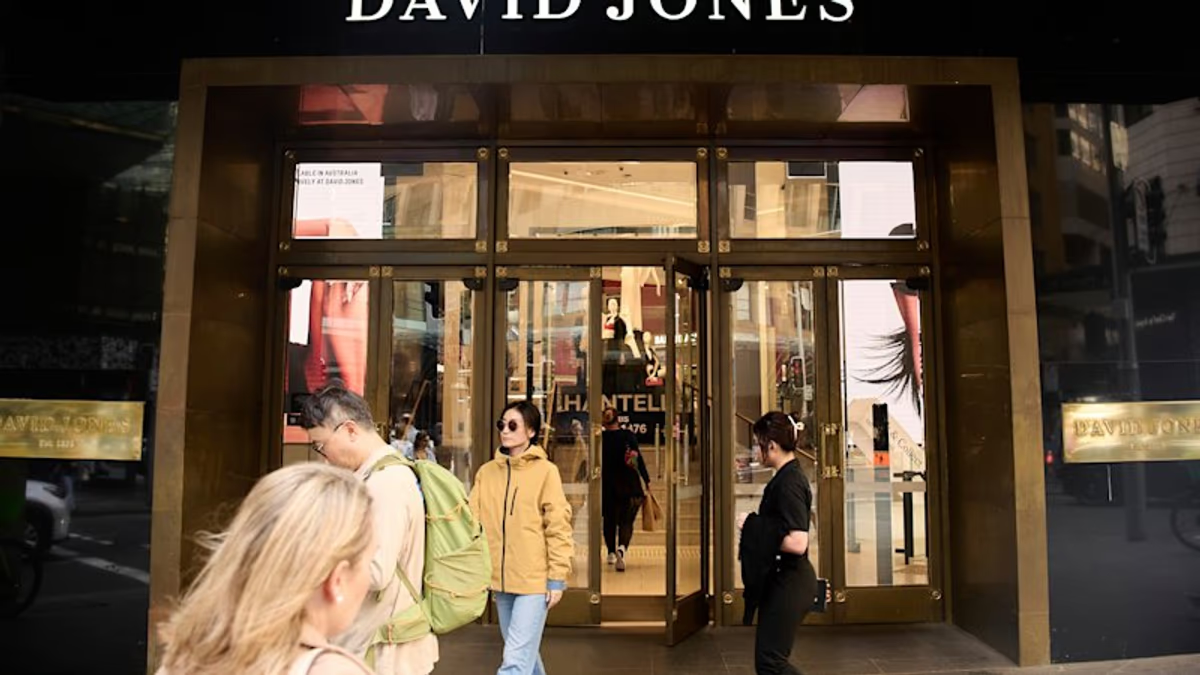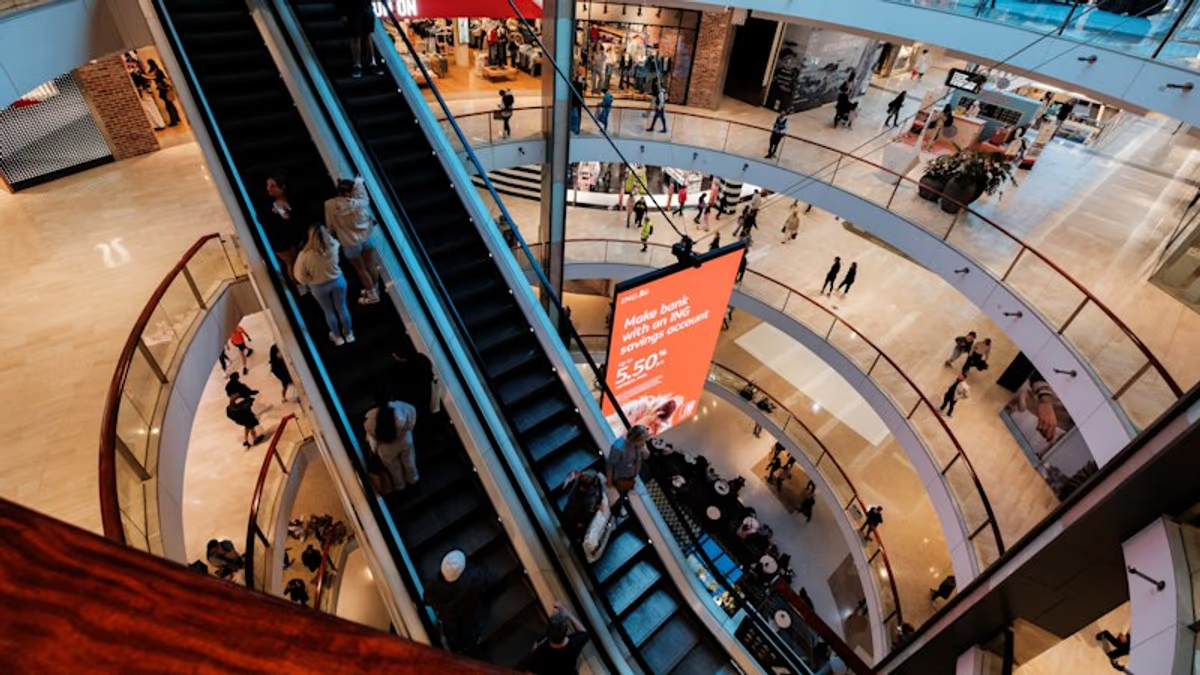
David Jones’ chief executive and board placed the company under the control of voluntary administrators and receivers on Thursday, a move that could see most stores close and lead to thousands of job losses while forcing shopping centre operators to rethink their layouts and tenant mixes.
Founded in Sydney in 1838, David Jones is widely regarded as the world’s oldest department store still trading under its original name, but its collapse reflects a broader global decline in the department store model that helped underpin malls for decades.
Department stores once acted as reliable draws for high streets and suburban centres by offering a broad range of goods alongside services and an aspirational shopping experience. As Gary Mortimer, professor of retail and consumer behaviour at Queensland University of Technology, put it:
"Department stores were the high street under one roof."
The postwar shift to suburban shopping centres took those large stores out of the CBD and into malls, where they often paid heavily discounted rents in return for the foot traffic they generated. Scentre Group figures show David Jones paid less than half the rent per square metre charged to many other centre tenants.
That advantage has evaporated as brands opened standalone stores, online shopping expanded and fast fashion drove down prices. David Jones did lift online sales to 20% of revenue, but that contribution was insufficient to cover its rent obligations and other fixed costs.
The decline of department stores overseas has been stark: Debenhams went into administration in 2021 and now operates only online, Macy’s has pared back its store count, Nordstrom is refocusing on discount offshoots and Saks Global filed for bankruptcy in January this year.
Despite these headwinds, some recent data suggests opportunities for shopping centres prepared to change. A report by Urbis and the Shopping Centre Council of Australia found retail sales rose 3% in the year to June 2026, and national shopping centre foot traffic was up 2%. PwC data shows foot traffic among 14 to 29 year olds jumped 57% year-on-year.
Industry advisers say the practical response is to break up the large department store footprints and replace them with multiple “mini-major” tenants that together can attract more customers. Elissa Stewart, director at Urbis, gives the example of removing three levels of a traditional department store and fitting a supermarket alongside an electronics retailer and a specialist fashion or beauty store.
Discount and mass-market retailers have emerged as viable replacements. Observers point to Kmart, Big W, TK Maxx and Harris Scarfe as tenants that can fill space and pull regular shoppers. Centres are also adding experiences and services that encourage people to linger, including cinemas, gyms, food precincts, EV charging bays and health services.
Ray White head of research Vanessa Rader notes consumer spending persists on experiences and small luxuries, so centres that can offer activities and better dining are likely to maintain dwell time. Planners and owners are experimenting with more inviting designs, greenery, water features and seating to create a preferred “third space” where people spend time between activities.
Some industry analysts expect whatever emerges from administration may be a scaled-back David Jones focused on flagship CBD stores and a limited number of profitable boutique locations, while suburban malls pursue combinations of supermarkets, big-box discount retailers and entertainment or service tenants to replace the traditional anchor role.
Category: Business