NextDC has apologised to West Footscray residents and promised to resolve a power supply problem that is holding up a major expansion of its M3 data centre.
“I am deeply, deeply sorry for the impact that we’ve had on customers,”
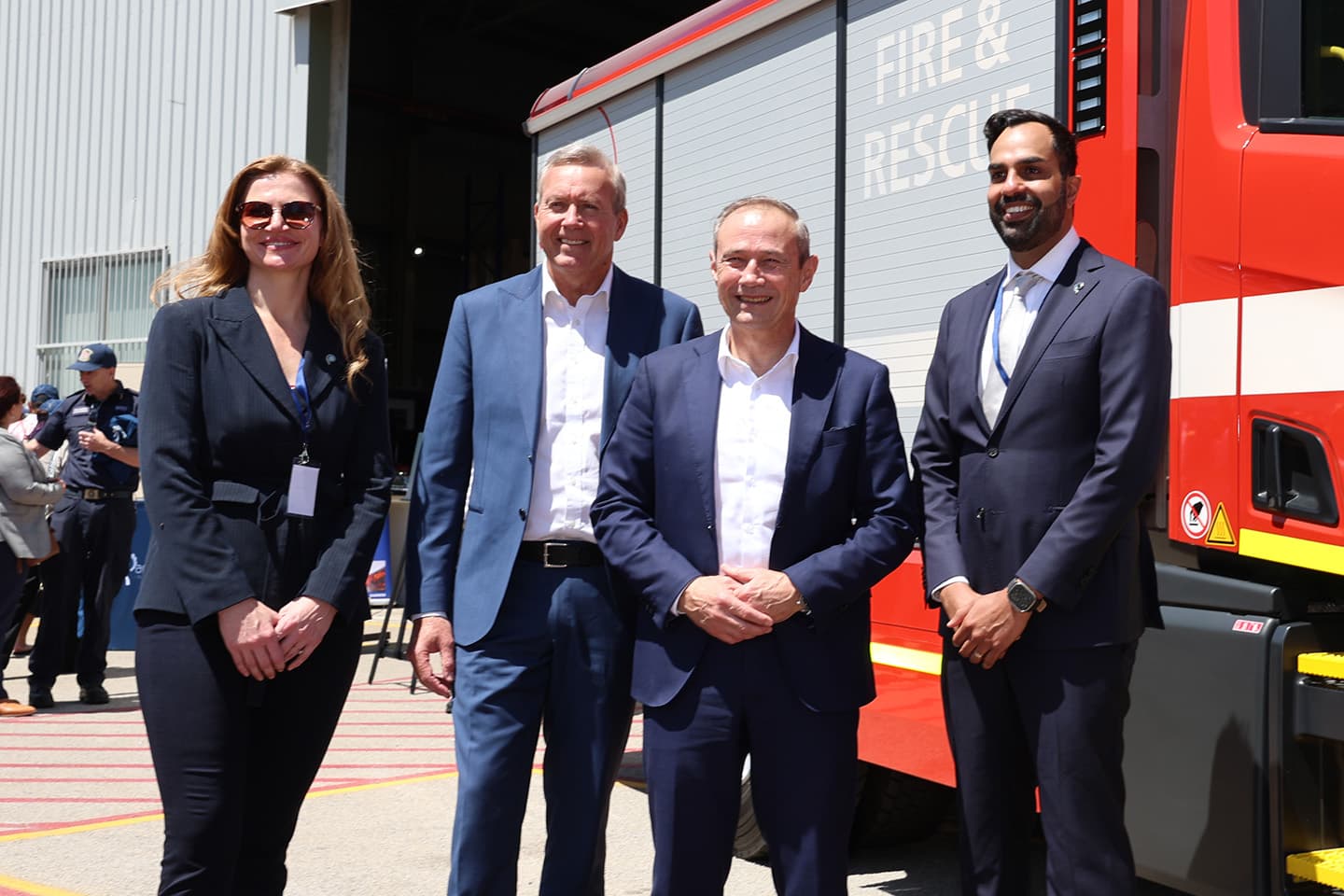
Chief executive Craig Scroggie made the apology at a UBS conference in Sydney and said NextDC would not push ahead with the artificial intelligence focused expansion until the company, the local council and the community were equally prioritised. He added the group would provide an update once a power solution was finalised and contracted.
The immediate trigger for the delay was action by energy network operator Jemena, which in September paused plans to install 15-metre industrial power poles on suburban streets near the site after residents protested and blocked construction vehicles. NextDC said the interruption forced it to postpone the M3 build in October, a move that wiped hundreds of millions from its forecast earnings and sent the share price down about 40 per cent.
NextDC plans to roughly double the size of M3 so the campus will cover about 10 hectares, expanding capacity to serve cloud and artificial intelligence workloads. M3 began operating in 2022, but the state government has not yet approved the expansion and is not expected to decide until after the state election on November 28.
Residents have raised objections to the project focused on noise, water use and the visual impact of large poles and buildings. The dispute has fed into a broader debate about data centres and artificial intelligence, a topic that has produced electoral pressure in other countries, including recent US contests where candidates campaigned for moratoria on new facilities.
Scroggie defended the choice of location, pointing out the M3 site sits in a long-established industrial precinct that has previously hosted petrochemical plants and asbestos factories. He said the company’s contracted power partner, the statutory monopoly provider, failed to deliver the agreed upgrade and that he accepted responsibility for the resulting community upset.
He also argued that the network upgrades required for M3 would improve power capacity for other businesses in the area and that data centres were essential infrastructure for cloud and AI services used by consumers and companies.
The controversy around M3 prompted institutional investor interest after the October share slump. Goodman Group and an unnamed American investment firm together acquired about 10 per cent of NextDC’s stock, a move that helped lift the shares from their low in the wake of the delay.
NextDC said it would not proceed without clear support from the council and the local community. Scroggie told investors and industry attendees he expected to present a final, contracted power plan once negotiations were complete and community concerns had been addressed.
The state government’s pending approval and the company’s effort to lock in a replacement power arrangement will determine the timetable for construction and when NextDC can restore the capacity growth it has been planning at M3.