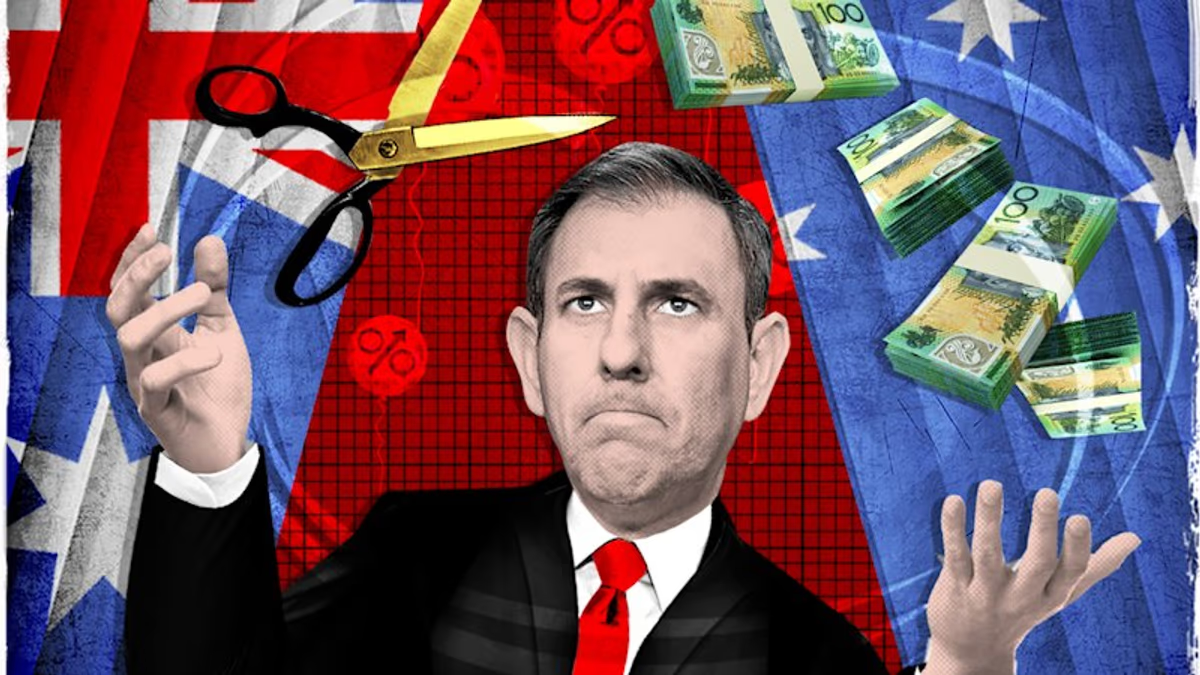
The Reserve Bank is likely to raise interest rates on Melbourne Cup Day, a move that would mark the fifth increase so far this year as the central bank seeks to bring inflation back towards target.
The bank’s concern is that the production side of the economy, the industries, firms and workers producing goods and services, is approaching full capacity, meaning demand risks outstripping supply and pushing price rises higher than the 2 to 3 per cent target.
That worry helps explain why the Reserve has been tightening policy. But it also sets up a policy conflict: the central bank is using higher interest rates to cool demand while fiscal policy can add to demand, especially when the budget runs a deficit.
"I want bigger, not smaller, government."
The columnist who wrote those words argues that a larger public sector can deliver services many Australians rely on, but also accepts larger government means higher taxes to pay for them.
Most public spending, he notes, goes to health, education, aged care and defence, and should not be dismissed as wasteful. At the same time, he acknowledges there are examples of poor decisions that have cost taxpayers heavily.
He emphasises that it is not total government spending that adds to inflationary pressure, but spending above taxation, in other words a budget deficit. If deficits add to demand while the Reserve tightens monetary policy, the two forms of economic management are working at cross purposes.
That tension has put the government under political pressure, with business commentators blaming federal spending for higher rates. The columnist says that when the Reserve acts independently, voters who dislike rate rises tend to blame politicians rather than central bankers, which increases the imperative for the government to alter its fiscal course.
As an alternative to across-the-board spending cuts, he suggests increased taxation could be part of the response, including measures to ensure foreign buyers of Australia’s minerals and energy do not receive a cheaper deal than Australian owners of those resources.
He singles out one recent decision as especially wasteful: the government’s three-month delay intended to shield motorists from a sudden jump in fuel prices related to the Iran war. He says the measure produced no lasting benefit and imposed a heavy cost on the budget.
The columnist concludes that the current episode explains why previous treasurers were so preoccupied with the budget deficit, and that resolving the fiscal-monetary contradiction will require attention from the elected government rather than the central bank alone.