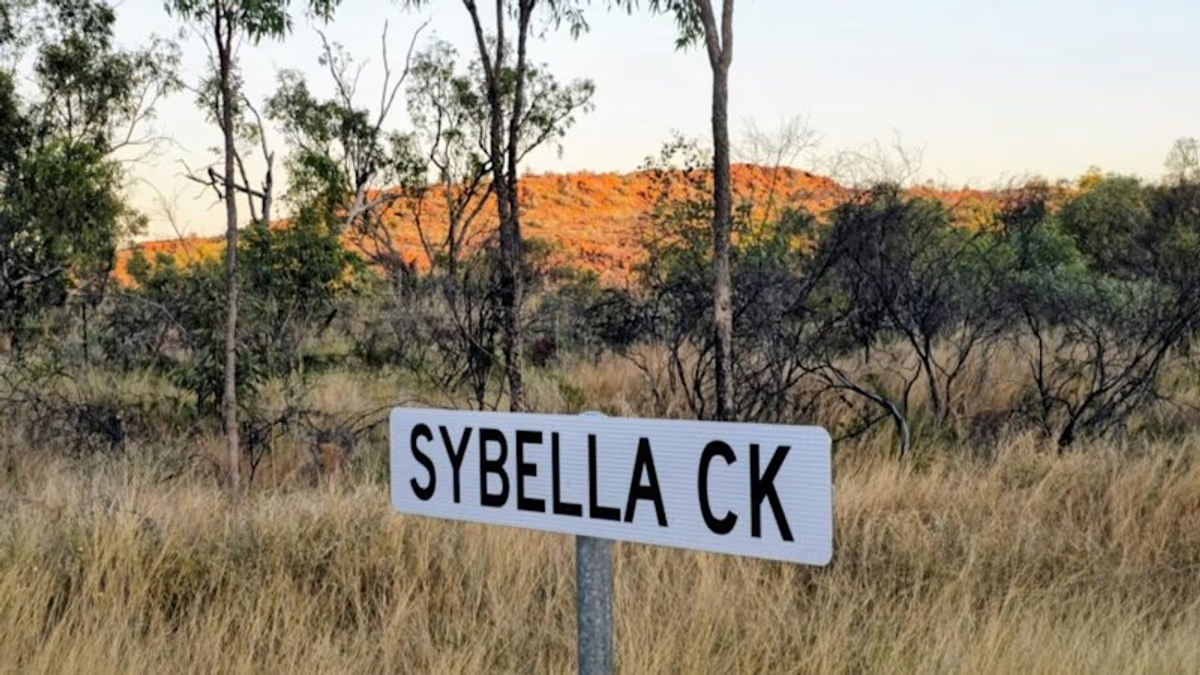
Red Metal Limited has produced encouraging metallurgical results from the Kary Zone at its Sybella rare earths project near Mount Isa, announcing column leach recoveries of 65% neodymium (Nd) and 68% praseodymium (Pr) from fresh granite crushed to 10 millimetres.
The two-metre column tests achieved those recoveries with a total acid consumption of 19 kilograms per tonne of sulphuric acid at ambient temperature, which is lower than the 23-27 kg/t consumption recorded previously for the saprock and transitional ore types that cap the granite.
Lower acid use matters because sulphuric acid is a major consumable cost in heap leaching, where a leach solution is percolated through crushed ore to dissolve and recover target metals. The fresh granite makes up the bulk of the Kary Zone inferred resource.
The Kary Zone currently hosts a 936 million tonne inferred mineral resource, of which 598 Mt is fresh granite, 182 Mt is saprock and 157 Mt is transitional ore. At a 300 ppm NdPr cut-off the deposit grades 334 ppm NdPr and 31.7 ppm DyTb.
Previous two-metre column tests on the other ore types delivered strong recoveries too: 76% Nd from transitional ore and 71% Nd from saprock, with praseodymium recoveries of 78% and 72% respectively. Red Metal is now running a larger-scale program using 20mm crushed ore in 150mm-diameter columns standing six metres high to better replicate commercial heap-leach conditions, with results pending.
Managing director Rob Rutherford said the new column data demonstrates heap-leach potential for the large fresh granite unit beneath the shallow saprock and transitional zones, and that the mineralisation remains open at depth.
Drilling is active as well. A 5,000-metre campaign is under way to both upgrade resource classification through infill holes and test interpreted extensions to the southeast where earlier work hinted at higher grades. Previous drilling has encountered rare earth mineralisation down to 240 metres, leaving room for potential resource growth.
Sybella sits in a 12 by 3 kilometre granite-pervasive corridor and forms part of a global project resource of 4.795 billion tonnes grading 302 ppm NdPr, with combined dysprosium and terbium of 28 ppm and yttrium at 136 ppm. Those heavy and light magnet rare earths are used in powerful permanent magnets for electric vehicles, wind turbines and industrial equipment.
Red Metal is also pursuing a parallel exploration push for large copper systems in the Mt Isa province. The company has lodged 17 new tenement applications near its Gulf and Three Ways projects, bringing total landholding in the region to about 5,800 square kilometres, and is conducting a high-resolution airborne gravity survey alongside regional programs run by government agencies.
The company plans to incorporate the new metallurgical data into its Sybella prefeasibility study, scheduled for completion in the first quarter of 2027. The final six-metre column results and the outcome of current drilling are likely to be the next significant milestones as Red Metal refines the project economics.