Australian sharemarket futures signalled a mild lift at the open, with contracts at 4.41am AEDT pointing to a gain of 12 points, or 0.1%, after the ASX closed 0.5% higher on Thursday. The Australian dollar was down 0.3% at US70.34¢.
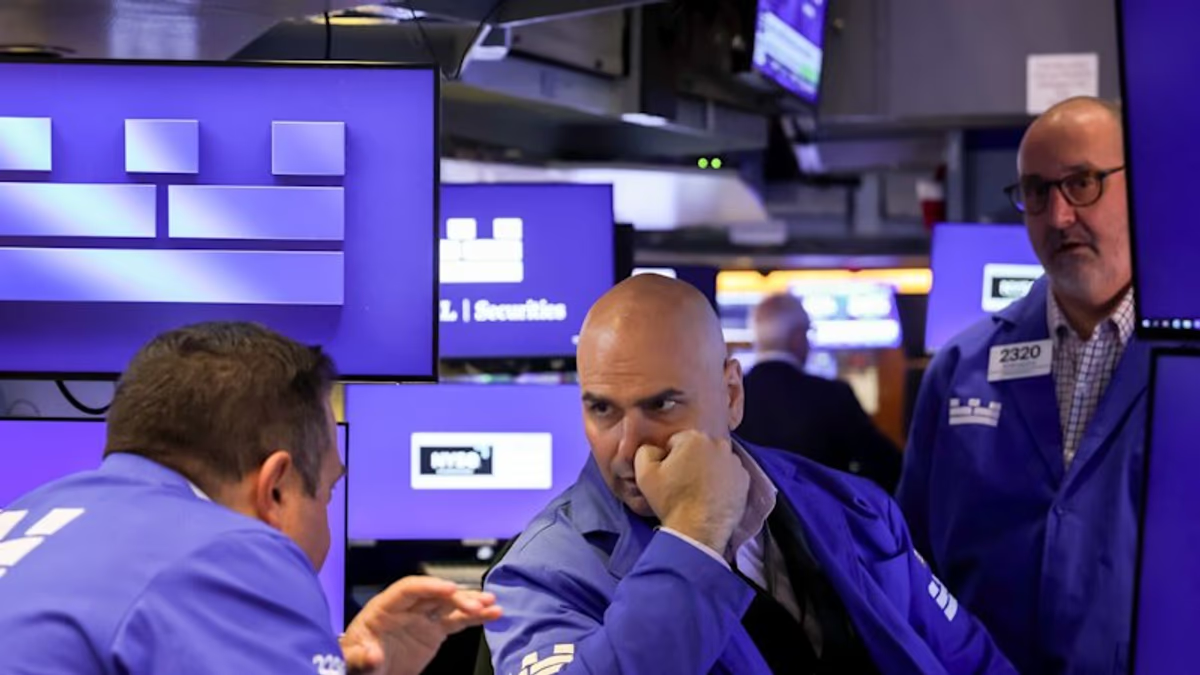
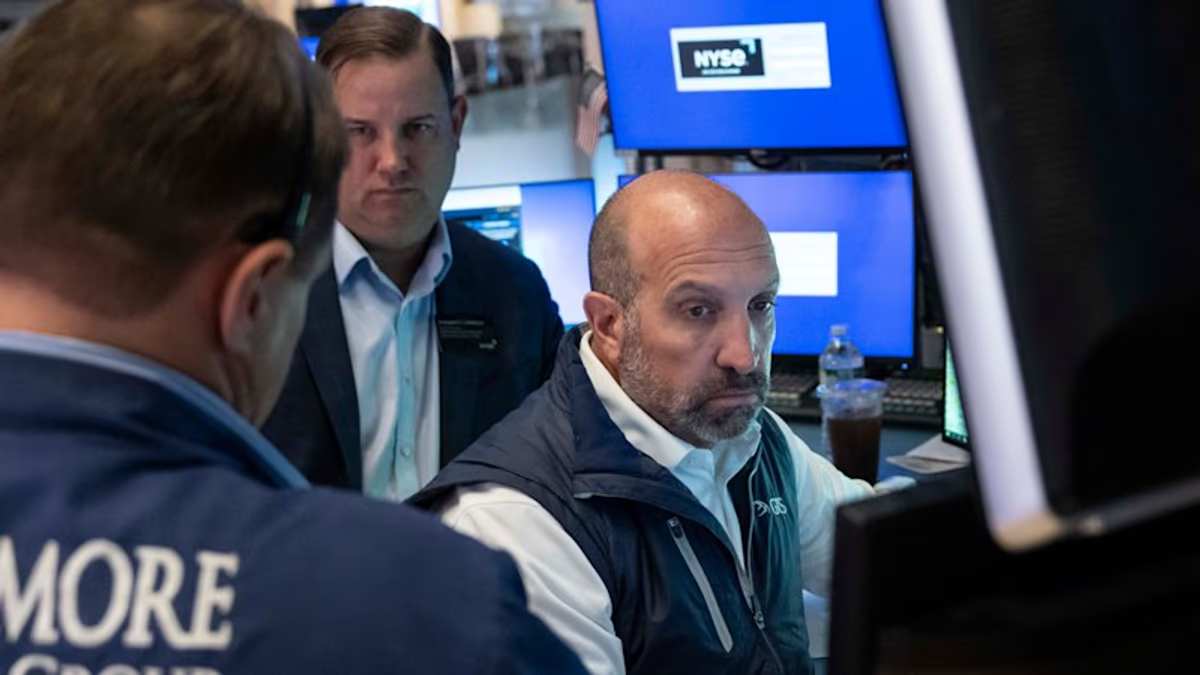
On Wall Street the mood was weaker after Alphabet, the owner of Google and YouTube, reported slower growth than analysts had forecast and plunged 12.9%, knocking major US indexes into the red. The S&P 500 slipped 0.5%, the Nasdaq composite fell 1.5%, and the Dow lost 0.5%, or 263 points, in mid-afternoon trade.
Alphabet’s shock drop came as the company disclosed a hit to free cash flow after capital spending climbed; purchases of property and equipment exceeded $US51 billion (about $72.5 billion) in the latest quarter. The scale of that investment has fuelled concern over whether the company’s heavy spending on artificial intelligence will deliver returns quickly enough to satisfy investors.
Those concerns extended beyond Alphabet. Analysts are watching broader industry spending on data centres and AI chips, where the rush to build capacity collided with much higher borrowing costs, putting pressure on future investment plans and margins across the tech sector.
Despite the weakness linked to Alphabet, several US companies posted stronger-than-expected quarterly results and rallied. Semiconductor-equipment maker KLA climbed 5.9%, Eli Lilly rose 5.8%, Mastercard added 4.2% and Merck gained 4.5%. Delivery firm DoorDash jumped 5.3% after reporting solid quarterly numbers and announcing an agreement to buy Instacart in a deal valued at $17 billion.
Cruise operator Norwegian Cruise Line Holdings rose 13.3% after beating summer profit and revenue expectations, helped by higher onboard spending. Those earnings surprises showed pockets of resilience in consumer-facing and industrial parts of the market despite pressure elsewhere.
In fixed income, the yield on the 10-year US Treasury eased to 5.00% from 5.05% late Wednesday, retreating from recent highs after a string of mixed economic reports. The 10-year had earlier this month topped 5.30%, its highest level since 2002.
US economic data released around the market moves painted a mixed picture: a preliminary report suggested growth may have picked up over the summer supported by consumer spending and business investment in AI, while Americans’ income growth was weaker in September and a measure of inflation ticked higher. Weekly jobless claims fell, a sign that layoffs may be limited.
Global markets were varied. European indexes rose after the European Central Bank held interest rates steady, and the bank’s president, Christine Lagarde, said she will resign in February, nine months before the end of her term. In Asia, markets were mixed: South Korea’s Kospi dropped 1.2% as Samsung Electronics fell 4.1% despite reporting a profit increase.
Commodity moves also influenced sentiment: Brent crude eased 0.9% to $US110.67 a barrel, which helped push yields lower. For Australian investors, the main near-term items to watch are upcoming corporate earnings, any further surprises from big US tech names on AI spending, and moves in global bond markets that can feed through to local interest rates and the currency.