Oil prices jumped to just under $US117 a barrel last week, approaching six-month highs, even though volumes flowing through the Strait of Hormuz have recovered close to pre-war levels and Saudi pipeline shipments to the Red Sea have picked up.
The recovery in physical flows has been accompanied by heavy US naval escorts and reports that some tankers are paying Iranian fees for safer passage. Shipments through the Saudi pipeline to Yanbu have continued despite Houthi attacks on the pipeline and port.
Security agencies recorded a high number of incidents in the strait. The UK Maritime Trade Operations Centre reported 11 confirmed attacks last week, while other authorities say there have been at least 28 incidents so far this month, a figure that industry observers believe understates the actual number because many ships do not report attacks.
That contrast between flows and prices is partly explained by a sharp jump in the cost of moving oil. Charter rates for tankers are roughly 12 times their pre-war levels, cargo insurance costs are more than three times higher, and ship crews and captains are being paid substantial premiums to run the risks: captains nearly six times their previous pay with bonuses in the tens of thousands, and crews paid two to three times earlier salaries.
The way tankers operate in the area has added further strain. Vessels are shuttling in and out of the strait and transferring cargoes to other ships outside the danger zone, tying up extra tonnage and creating a global shortage of available tanker capacity for other trades.
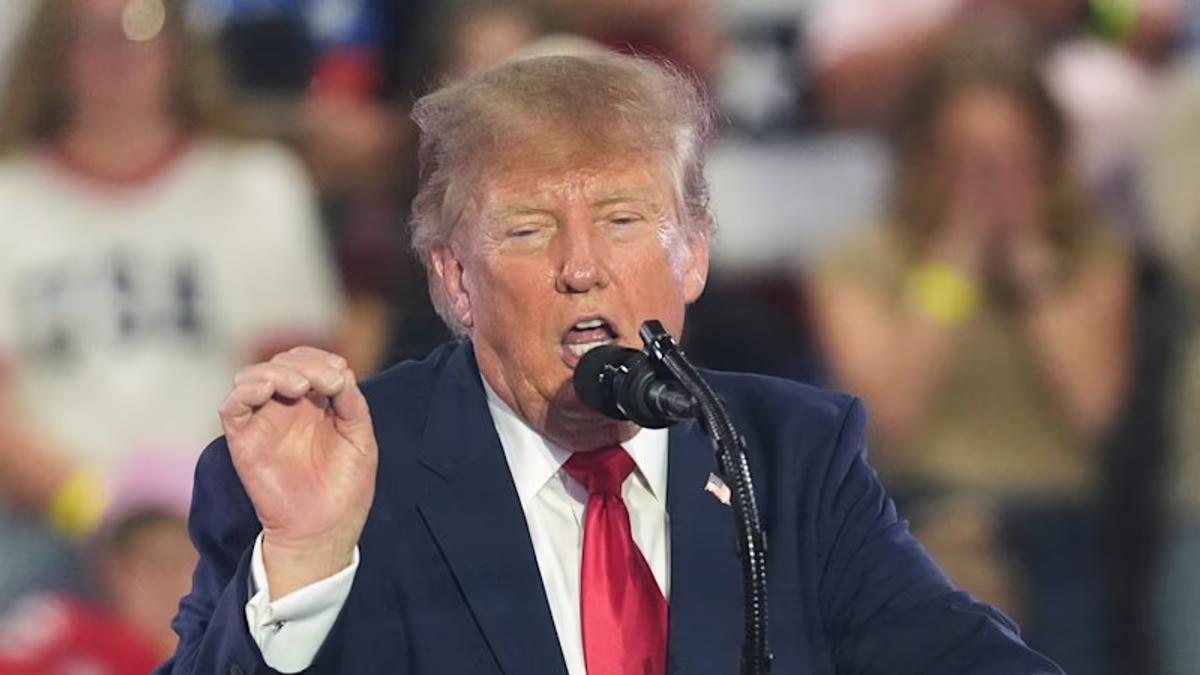
Political risk is the other major influence on prices. After holding back attacks since late July to try to ease fuel costs ahead of the US midterm elections, US President Donald Trump has hardened his rhetoric in recent days as the vote approaches.
"I have a decision to make. Do I finish it off, which would be very easy to do, or do I make a deal?"
The US has also taken non-military steps intended to lower domestic fuel costs, including co-ordinating releases of strategic diesel reserves with other G7 countries, allowing tax-exempt diesel normally reserved for off-road use to be used on roads, and lifting sanctions on Russia to permit diesel imports. Those measures have not reduced consumer prices materially: US petrol is about 40 per cent higher than a year ago and diesel about 74 per cent higher.
Washington has moved diplomats and more military personnel out of the region and sent additional forces to the Middle East in case hostilities resume. Iranian officials have warned of retaliation if the US resumes attacks.
"Last time you wanted to 'finish the job' Iran emerged even stronger," Iran’s foreign minister Abbas Araghchi posted on social media.
Market pricing reflects both immediate and anticipated shortages. Near-term physical crude benchmarks, Dated Brent, were trading around $US125 a barrel late last week, a large premium to futures where Dated Brent normally sits only about $US2 above. That gap suggests buyers are seeking prompt deliveries amid fear of disruption.
Beyond crude, the conflict has damaged refineries in the Middle East and Ukraine’s strikes on Russian refineries have removed further refined product supply from the market. Because motorists and freight operators use petrol and diesel rather than crude oil, the shortage of refined products is likely to keep pump prices elevated even if crude shipments can be maintained.
Traders appear to be pricing a meaningful probability that hostilities could flare up again and that flows through both the strait and the Saudi pipeline could be materially disrupted, despite earlier assurances from political leaders that the situation could be resolved quickly. The current pricing implies those concerns will influence markets well into next year, with futures indicating oil could remain above $US100 a barrel for some time.