BlueScope this week raised its earnings forecast after reporting roughly a 75% jump in earnings from its North American mini-mill business, a gain company executives and analysts link to sharply higher US steel prices.
The surge in returns follows American policy moves that dramatically increased import protection for steel and aluminium, lifting US prices to their highest levels in four years and widening margins for domestic mills.
BlueScope’s board repeatedly turned down takeover approaches earlier this year from the Stokes family conglomerate SGH and from US firm Steel Dynamics. The company’s shares are now trading about 40% above the price in the initial December approach and have surpassed the final sweetened bid that valued the company at $14.2 billion.
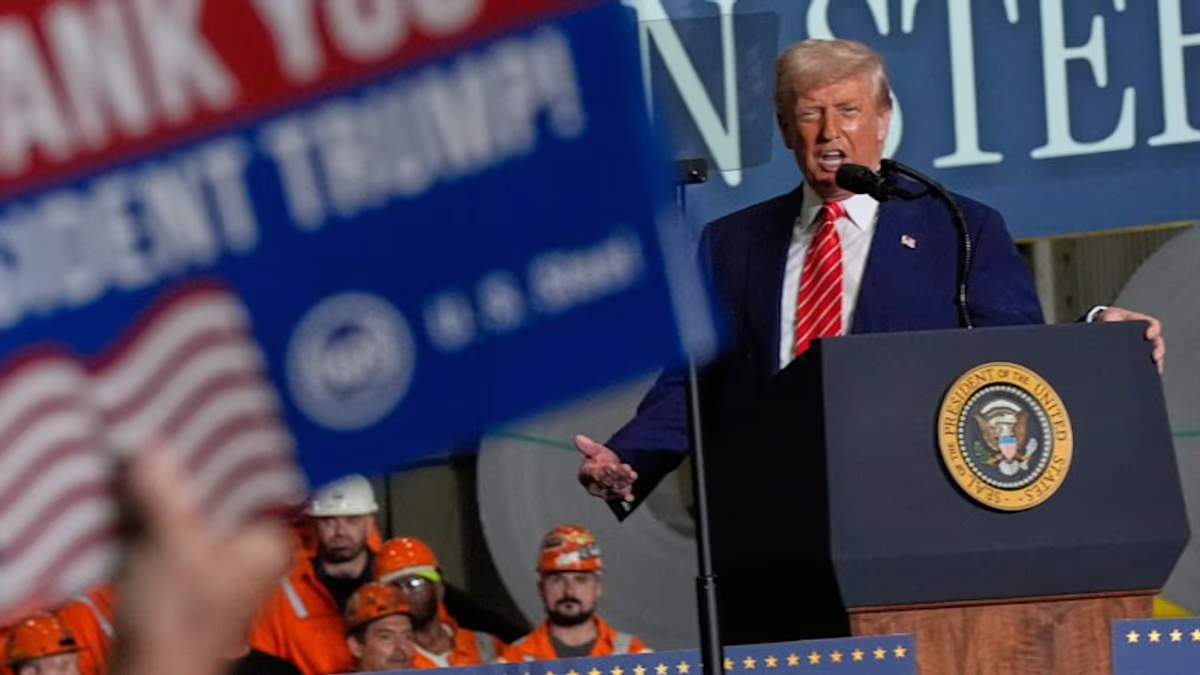
One of the first measures after the US presidency change was a 25% tariff on steel and aluminium imports. Authorities later doubled that rate to 50%, after a court ruling weakened the broader tariff framework, extending protection that has lifted domestic prices and volumes.
US hot-rolled coil prices have risen by more than 50% since the tariffs were increased, while aluminium prices are nearly 60% higher over the same period. The US has recorded its 12th straight monthly rise in steel prices, and industry spreads are more than $US500 a tonne wider than they were at the start of last year.
The tariff environment has delivered substantial profit growth for major US steelmakers. Nucor, for example, earned about $US2 billion last year and reported $US3.2 billion in net income in the first nine months of this year, with its share price almost 120% higher since inauguration day.
Production and employment gains in the US steel sector have been modest in aggregate: output has climbed around 7.5% since the tariff increase and employment is up about 0.7%, although the upstream steel and iron ore workforce numbers only about 85,000 people. Import volumes have fallen, with steel’s share of the US market sliding from about 19% to 16% this year.
Academic and central bank research highlights the cost borne by companies that use steel. A study by the Peterson Institute estimated tariffs cost downstream US manufacturers roughly $US5.6 billion, equivalent to about $US650,000 for each job added in the steel sector. Federal Reserve researchers calculated the measures led to about 75,000 job losses in downstream firms, more than eight times the number of jobs created in steelmaking.
For BlueScope’s investors, the US price surge has translated into stronger profits and a higher share price, vindicating the board’s resistance to takeover offers. For manufacturers that use steel and for US consumers, the outcome has been higher input costs and upward pressure on prices. With both major US parties courting steelworkers, the current tariffs look set to remain a permanent feature of US trade policy, sustaining the price advantage enjoyed by domestic mills.