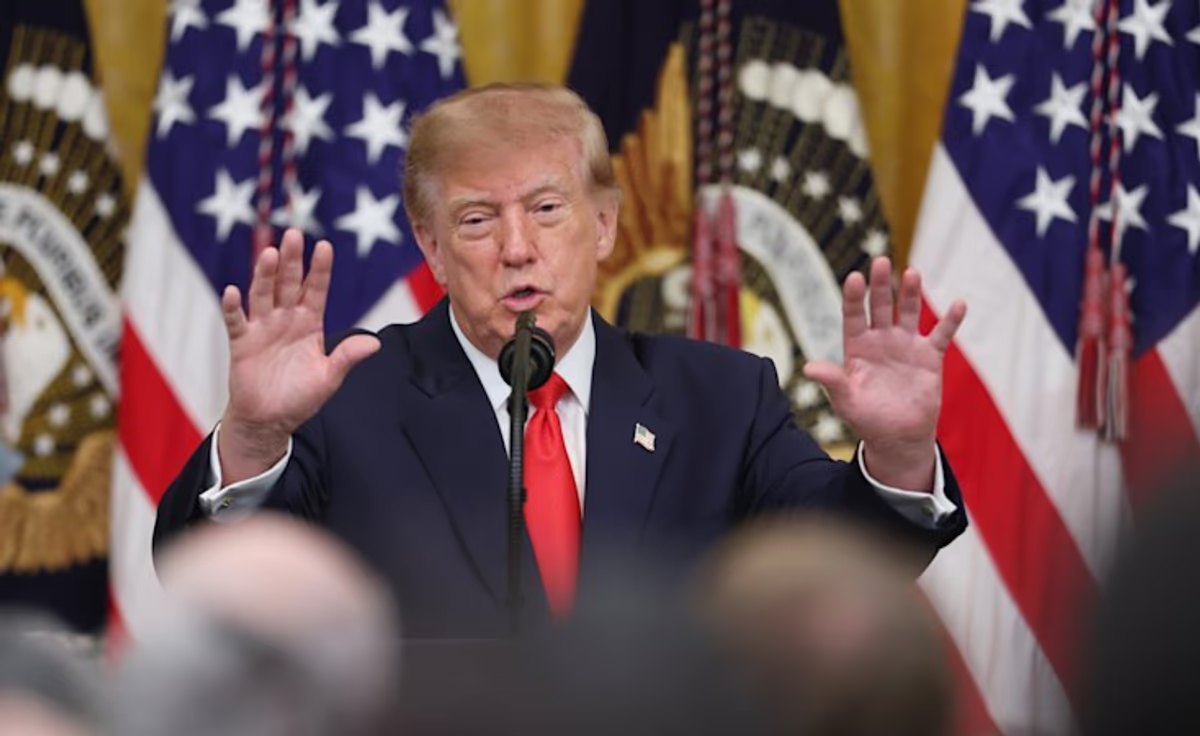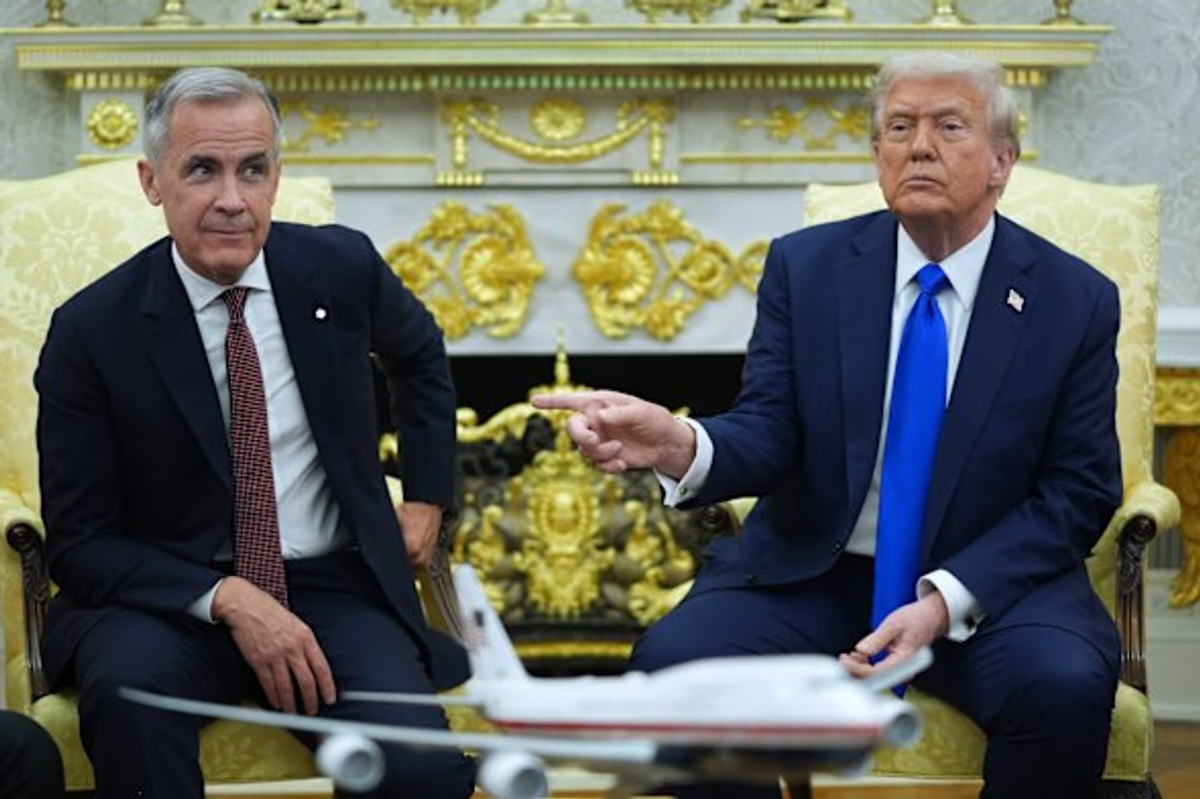
The US president said this week there was a “concept” of a trade deal with Canada after a phone call with the Canadian prime minister, adding the arrangement would be good for US farmers and acceptable for Canada.
The conversation follows a confrontation in September when the United States imposed tariffs on about $US20 billion (roughly $29 billion) of Canadian exports and Ottawa answered with retaliatory duties on a similar value of US imports.
Those reciprocal levies made Canada, apart from China, the most prominent country to push back against the US tariffs after talks collapsed late in the negotiations.
Washington has since moved some duties around without changing the overall value, a recalibration that appeared aimed at limiting harm to politically sensitive border states such as Michigan and Maine ahead of the midterm elections.
Negotiations broke down after last-minute US proposals that would have removed Canada’s French language local content rules and quotas, given the US access to Canadian minerals and restricted Canada’s ability to conclude other trade agreements, prompting Ottawa to end the talks and for the US to implement tariffs.
Last Friday, Canada and the European Union met in Montreal and signed pacts covering investment, digital trade, competition, computing and border security, and agreed to open talks on a broader partnership next year. European Commission President Ursula von der Leyen briefly raised the idea of Canada becoming an “associate member” of the EU, though the label has been dropped after pushback from some member states.
The Canadian prime minister said he was prepared to wait for a future US president if that was required to reach a satisfactory outcome.
"We'll have to, if that's what it takes, and American families, American businesses, will lose out because of that. They're not winners in this circumstance," he said.
Ottawa is pursuing a deliberate strategy to reduce reliance on the US. The government aims to double Canadian exports to non-US markets by 2035, has been advancing talks with the EU, India, Japan and Turkiye, and is accelerating major infrastructure and energy projects.
Projects being fast-tracked include a new pipeline to carry 1 million barrels a day from Alberta to the west coast and a suite of gas developments that Ottawa says could lift non-US energy exports by 2030. At present, about 90 per cent of Canada’s oil shipments flow to US refineries configured to handle its heavy crude.
The prospect of closer Canada-EU ties has drawn sharp criticism from the White House. The US president warned of “very heavy tariffs” on the EU or even a halt to trade if an agreement were struck with what he termed hostile intent, and used a series of public jibes about Canada’s relationship with the United States during the dispute.
Canada’s moves reflect a broader effort to build a coalition of trading partners and infrastructure that can reduce exposure to unilateral US trade pressure, a strategy that also ties into changing global energy dynamics as some importers seek alternatives to Middle East supplies.