An internal NSW Treasury assessment warns the state will suffer more than other parts of Australia if interest rates continue to rise, with new home borrowers already facing the country’s heaviest repayment burden.
The paper says the share of average household income required to service a mortgage on a median-priced home in New South Wales has climbed to 30.7%, the highest reading in the 32-year history of the series. That pressure is driven by relatively high house prices in Sydney and the surrounding region.
Treasury modelled a scenario where official interest rates are 1 percentage point higher for three years and found NSW dwelling investment would be 3% lower between mid-2026 and mid-2029. For the rest of Australia, dwelling investment under the same scenario would fall by 1.5%.
The modelling also showed dwelling commencements in NSW would decline by 2.5%, compared with a 1% drop in the rest of the country, and that property prices would fall more steeply in NSW under the higher-rates scenario.
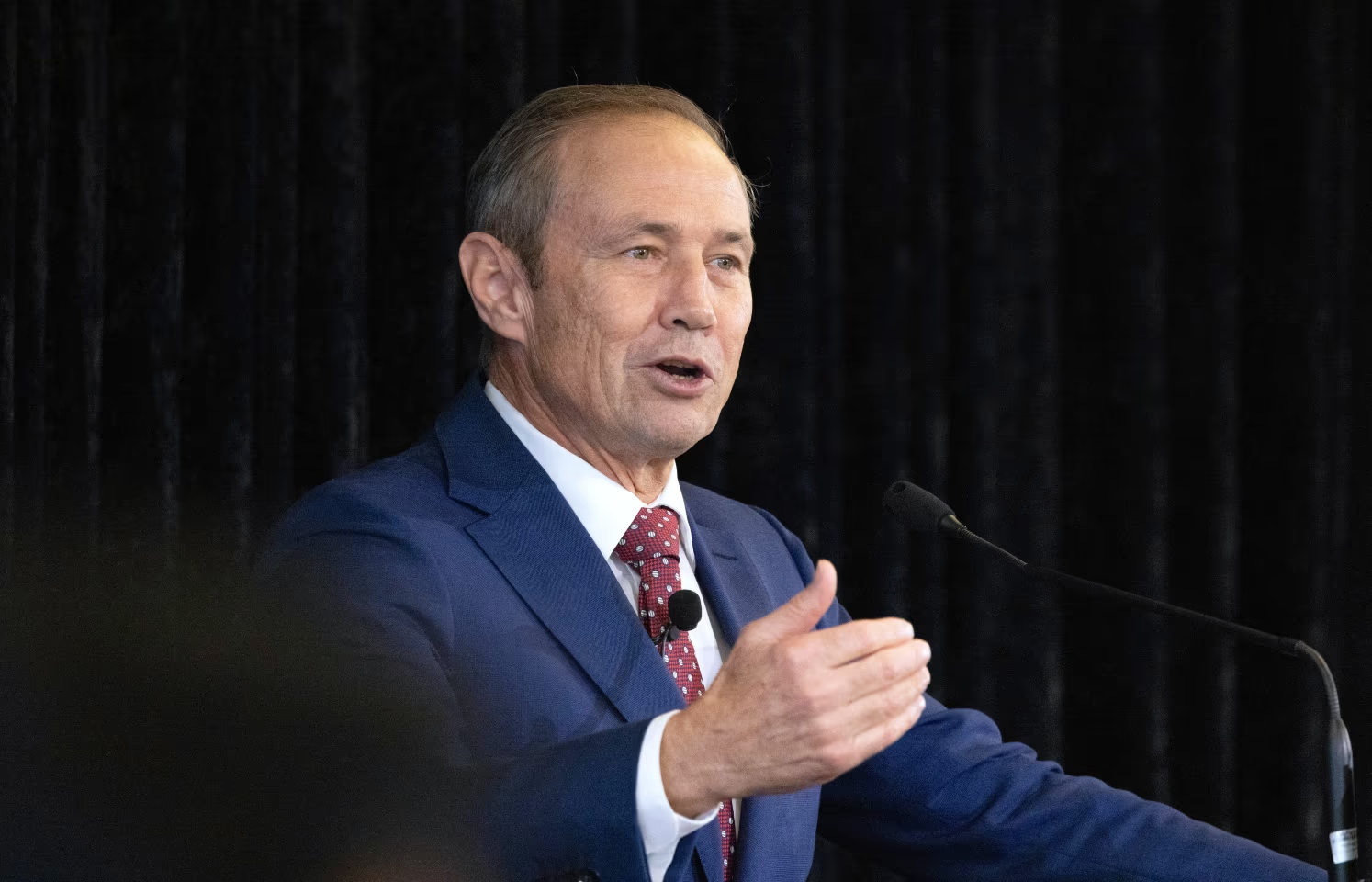
"There’ll be jobs that go that will never come back, there’ll be shops that close that do not reopen with another rate rise," Premier Chris Minns said, warning of the local impact of further increases.
The Reserve Bank has already lifted rates four times this year and is widely expected to deliver a fifth 0.25 percentage point rise at its next meeting, which would take the official cash rate to 4.85%, the highest level in 18 years.
The series of rate increases has already taken a toll on Sydney’s housing market: Domain data show the city’s median house price has fallen about 8% since last December to $1.66 million, though that remains $509,000 or 44% above Brisbane’s median of $1.15 million.
Signs of broader economic strain are emerging. NSW unemployment rose from 4.0% in June to 4.7% in September, the highest since November 2021 and above the state government’s June forecast of 4.5% for the year.
The state budget outlook has weakened alongside the property slowdown. Forecast economic growth was trimmed to 1% this financial year and next, and stamp duty receipts were cut by $5.3 billion in the June budget because of the housing downturn.
Treasurer Daniel Mookhey said Labor would seek a mandate to focus on reducing inflation and pointed to the government’s debt plan, which aims to cut debt by $11 billion and save $275 million a year in interest, supported by a legislated debt ceiling.
Officials expect further revenue write-downs to show up in the half-yearly budget review next month, a move that could worsen the projected $2.3 billion deficit for 2026-27 after seven consecutive years of budget shortfalls. The Treasury paper emphasises that the larger mortgage-payment burden in NSW already feeds through to weaker household spending and state finances.