Fortescue Metals Group has dismissed a senior executive following a months-long independent investigation that found the individual breached the company’s policies and values.
The probe, carried out by law firm MinterEllison, was launched in July and has now led the board subcommittee overseeing the matter to immediately end the executive’s contract. For legal reasons the executive’s name has not been published.
A company spokesperson said the investigation’s findings amounted to conduct inconsistent with the business’s standards and values, prompting the termination.
"The investigation found conduct that breached Fortescue’s policies, as well as our values," the spokesperson said.
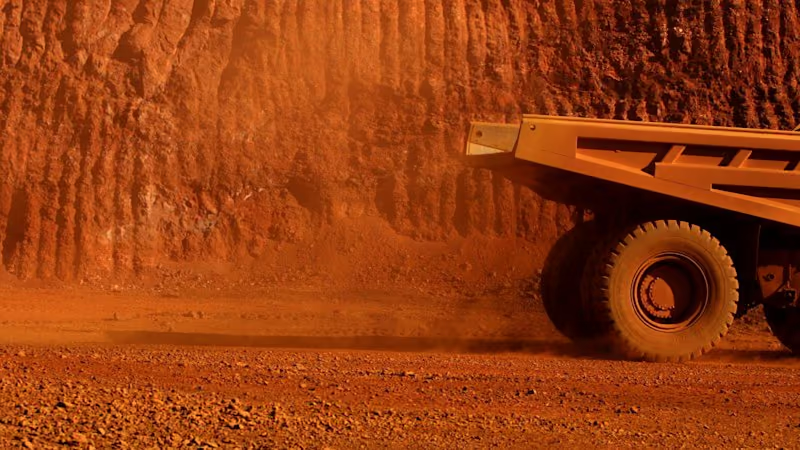
Perth-based Fortescue is a major iron ore exporter and is described by the company as Australia’s third-largest mining firm. Much of its production comes from operations in the remote Pilbara region of Western Australia.
Fortescue said the inquiry, which began in July, was "thorough and independent", thanked those who participated and confirmed it would provide ongoing support to people involved in the process.
The dismissal comes as the company faces a separate Federal Court class action managed by law firm JGA Saddler. That court filing includes 45 testimonials from women who have worked at Fortescue’s iron ore sites, describing a range of alleged sexual assault, harassment and discrimination incidents.
The class-action statements include several graphic allegations, for example, one woman reporting she was pulled into an alley and subjected to assault, while another described finding a stranger in her room, allegations that Andrew Forrest, Fortescue’s chair, called both “serious” and “disturbing” in an internal message to staff.
"Anyone who thinks this behaviour has a place at Fortescue is in the wrong company," Mr Forrest wrote. "Losing your job is the beginning of the consequences, not the end."
The controversy highlights long-standing issues across the male-dominated mining sector, particularly at isolated camp sites where workers live on-site for extended rosters. Regulators and parliamentary inquiries in Western Australia have previously uncovered pervasive problems, prompting commitments from major miners, including BHP, Rio Tinto and Fortescue, to implement reforms.
Companies can be held responsible under the Sex Discrimination Act if they allow work environments in which staff are likely to encounter sexual harassment or discrimination. For Fortescue, the dual pressures of legal exposure and reputational risk could carry operational consequences, from recruitment and retention challenges to scrutiny of camp management and on-site safety measures.
Fortescue has reiterated its commitment to a safe, respectful and inclusive workplace, saying everyone at the company, employees and contractors alike, must meet its standards. The company now faces the additional legal and public-relations task of responding to the class action while implementing any remedial measures identified in internal and external reviews.