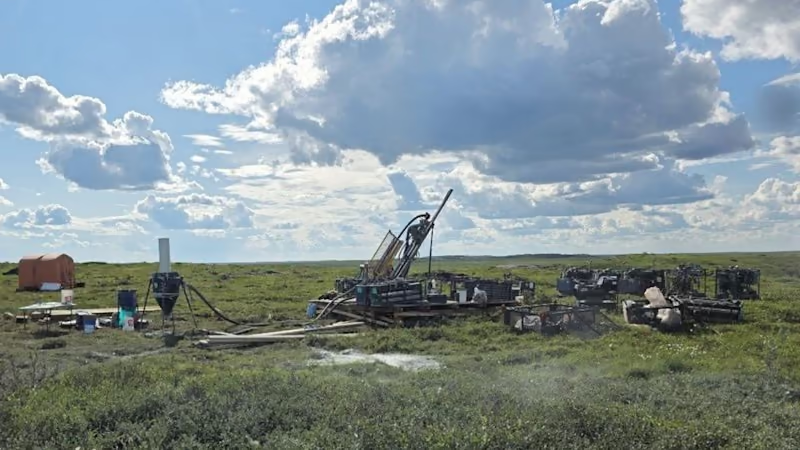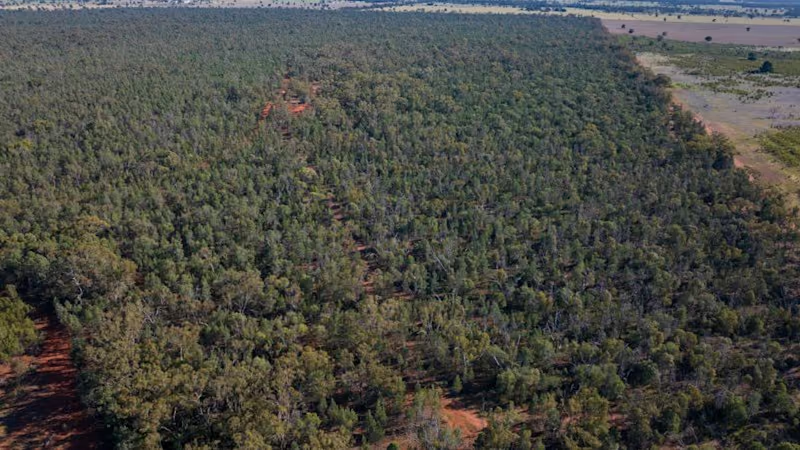
Locksley Resources has shifted quickly from strategy to fieldwork at its sprawling Greater Tottenham copper‑gold district in central New South Wales, setting up a local operations base and accelerating technical work ahead of a major drilling push.
The company’s ground in the Girilambone Basin covers about 1,000 square kilometres in the Lachlan Fold Belt and is being prepared for an integrated program designed to underpin a 15,500‑metre drilling campaign. Locksley says it has established a Tottenham hub to handle core processing, sampling and logistics.
A key element of the preparatory work is a systematic review of historical diamond core. The team is re‑logging material from more than 70 historical holes to refine drill targets, while metallurgical sampling has started using fresh sulphide material recovered from historical core at the Carolina prospect.
Locksley is also advancing the practical steps needed to start drilling: finalising a drill rig contract and progressing access agreements with local landholders so the company can mobilise rods and equipment to site as soon as permits are in place.
The project already contains an existing resource at the Tottenham prospect of 9.86 million tonnes grading 0.73% copper, 0.22 g/t gold and 2 g/t silver. Days after revealing that resource, Locksley secured an option over the nearby Iron Duke project, adding a historical resource of 1.3 million tonnes at 1% copper and 0.6 g/t gold to its portfolio.
Permitting with the NSW Mines Department is well advanced for an initial program at Iron Duke described as 5,500 metres of drilling from 28 drill pads. That program is designed to test a 100–150 metre gap in the known mineralisation and probe for extensions to the deposit.
Iron Duke has a history of high‑grade surface and drill results: rock chip sampling returned values up to 26.1% copper, and earlier drilling included intercepts such as 13 metres at 1.56% copper and 4.48 g/t gold from 37 metres. Those results are among the drivers of Locksley’s near‑term focus on the prospect.
At the same time, the company is planning a larger 10,000‑metre program across the Carolina and Mount Royal–Orange Plains prospects to test sparsely drilled areas and chase extensions to known high‑grade zones. Locksley is also finalising independent mineral resource estimates for Tottenham and Iron Duke to establish a baseline for future growth drilling.
"Locksley has moved quickly at Greater Tottenham. The core facility is working, historical core is being re‑logged, metallurgical samples are being collected and drill planning is advancing across our priority areas."
The pivot to Australia follows a decision earlier this year to halt fieldwork at the company’s Mojave project in California. Locksley cited a strategic review that included the collapse of antimony prices, down more than 57% from their 2025 peak, and a lack of project scale as factors behind redirecting resources back to its domestic holdings.
With field logistics in place, historical data being re‑interpreted and resource estimates pending, Locksley’s next phase will be heavily dependent on completed permitting, land access and the timing of rig mobilisation. If the planned programs proceed as outlined, the company says it will rapidly test gaps and extensions across its district‑scale landholding in a region that already hosts significant copper and gold operations such as the Cobar district, Tritton and Mineral Hill mines.
For investors and regional stakeholders, the coming months will provide the first indications of whether Locksley’s concentrated effort translates into meaningful resource growth beyond the current Tottenham and Iron Duke inventories. The company’s campaign aims to move from historical datasets toward new drill‑defined targets and updated, independently verified resource estimates.