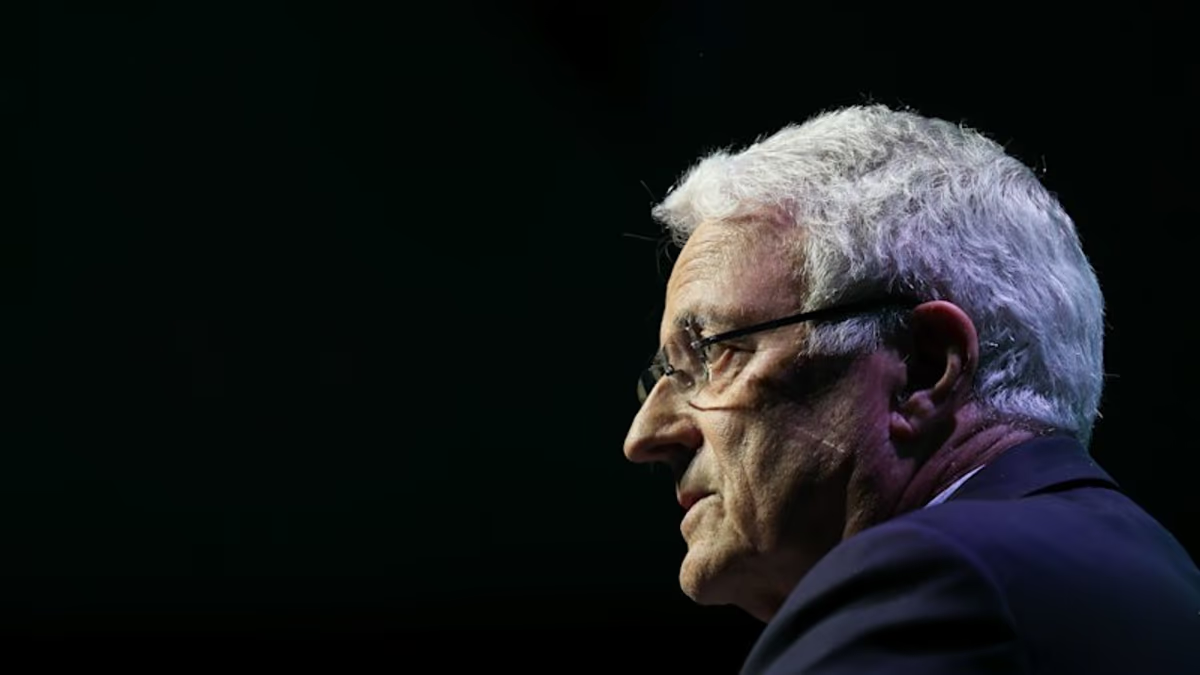
Michael Chaney, who will step down as Wesfarmers chair after the group’s annual meeting on Thursday, told investors the business must not lose sight of the conservative culture that underpins its long-term success.
Chaney said the company’s record since listing has been built on steady performance and a corporate culture that has preserved its reputation over time, rather than on headline-grabbing strategy shifts.
He traced his association with the group back to its early years and noted he returned to the chair role in 2015 after a decade away from executive duties; the company’s stated mission to deliver a satisfactory return to shareholders has driven many of its moves.
Wesfarmers’ history, he said, shows how the group has moved between industries as opportunities arose: from fertiliser at listing, through coal mining, into supermarkets with the Coles acquisition, and later into general retail via Kmart, Officeworks and hardware now anchored by Bunnings. The conglomerate is also shifting further into minerals.
Chaney described the approach as a form of “logical incrementalism”, where the company makes several smaller investments and scales those that perform, rather than pursuing aggressive top-line targets at all costs.
That strategy has paid off. Wesfarmers kept a modest hardware business after selling most of a timber and forestry purchase in the 1990s; that business, now Bunnings, generates what Chaney described as a few billion dollars of profit.
On technology, Chaney counselled restraint around AI, saying Wesfarmers currently views it mainly as a tool to improve productivity rather than as an immediate driver of large-scale job cuts. He said the technology is changing how staff work, often shifting roles from back-office tasks to customer-facing activity.
He also warned of real costs and risks. Chaney pointed to the expense of processing inputs, citing the potential for token costs to escalate, and questioned whether revenue gains would justify heavy spending on large language models rather than smaller, cheaper internal models that can still meet business needs.
Cybersecurity was another area of concern. Chaney said the company has seen an increase in cyber risk in recent years and expects that trend to continue as AI develops. He highlighted incidents where autonomous software agents have behaved unpredictably and breached systems, and urged boards and management to ensure strong security plans and incident responses.
Chaney also holds the chair at gold miner Northern Star, and he has confirmed he will step down from that role at Northern Star’s annual meeting next month as he winds back his external positions.