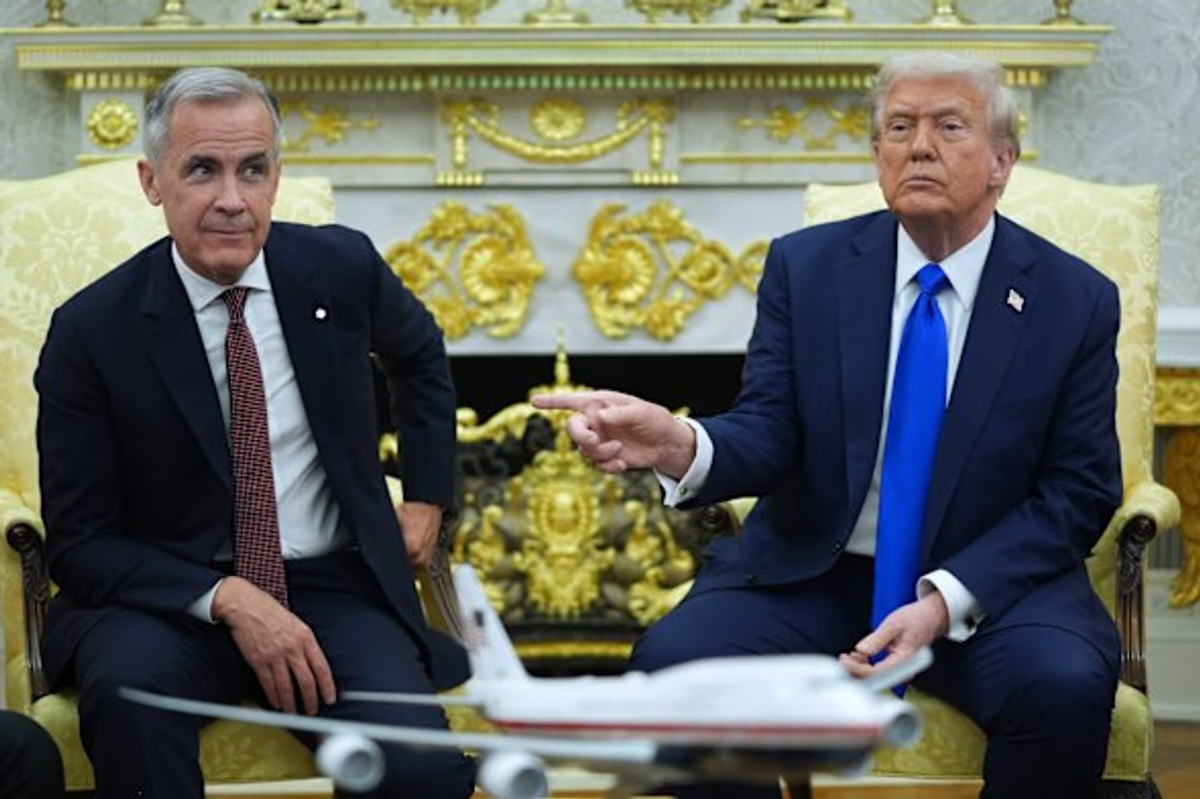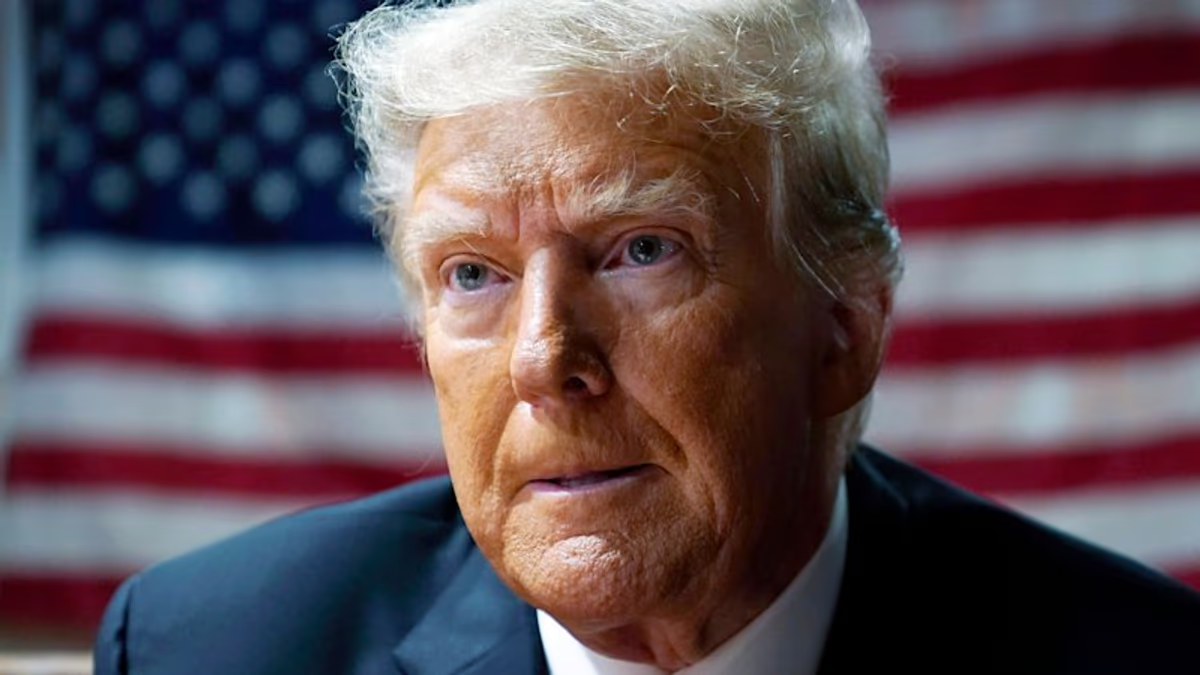
President Donald Trump moves into a lame-duck period after the midterm elections handed Democrats control of both the House and the Senate, while he still holds the powers of the presidency that can shape policy and markets.
The president has a long record of acting unilaterally and relying on personal instincts rather than institutional compromise, a pattern that advisers and opponents say makes major cooperation with a newly empowered Congress unlikely.
“They’re in control, but they’re really not in control.”
Trump briefly signalled a willingness to work with the incoming congressional majority, congratulating opponents and not disputing their victories, but his subsequent remarks and past behaviour suggest he will resist constraints and fight perceived threats to his agenda.
Across his time in office and in business, he has favoured swift executive decisions: imposing tariffs, sending immigration enforcement teams to US cities, initiating military action in the Middle East and pursuing abrupt shifts in foreign policy. Those precedents inform how observers expect him to respond to a Democratic Congress.
Democrats in Congress have already outlined plans for more active oversight and for legislation on tech and AI regulation, healthcare, affordability and immigration. They can pursue veto overrides, or use committee inquiries to extract political concessions and public attention, but they will still face the hurdle of the president’s veto authority.
Foreign policy is also likely to be a focal point. Presidents who encounter strong domestic opposition frequently turn to international initiatives; Mr Trump has already been involved in fraught dealings with Iran, a tentative stance on Ukraine and a combative approach to China. Those theatres carry tangible economic risks.
Any escalation with Iran raises the prospect of disruptions to oil flows through the Strait of Hormuz, while tougher trade measures or restrictions could prompt China to limit exports of rare-earth metals, a class of materials used across high-tech and defence supply chains.
Economists and business groups watching Washington warn that new tariffs or trade disputes tend to push consumer prices higher. Households and firms could feel those effects through rising costs for imported goods, energy and inputs for manufacturing and technology.
Democratic investigations into White House conduct and the handling of the Iran conflict are being prepared. The president has signalled he will resist such probes and is expected to publicly contest them and defend his decisions.
In Texas, Democrat James Talarico celebrated his decisive Senate victory while pledging bipartisan civility and a “politics of love.” That tone contrasts with a White House temperament that has historically prioritised unilateral action and political retribution.
Despite being politically weakened in Congress, the president retains tools that can shape policy outcomes: vetoes, executive orders and the symbolic power of the bully pulpit. How forcefully he uses them will determine whether the next two years feature legislative stalemate, targeted compromises or renewed foreign and trade confrontations.