Oil traders and senior energy executives are adjusting to the prospect that the conflict involving Iran will settle into a long, unresolved stalemate, with attacks nearing 250 days and crude prices staying above US$100 a barrel.
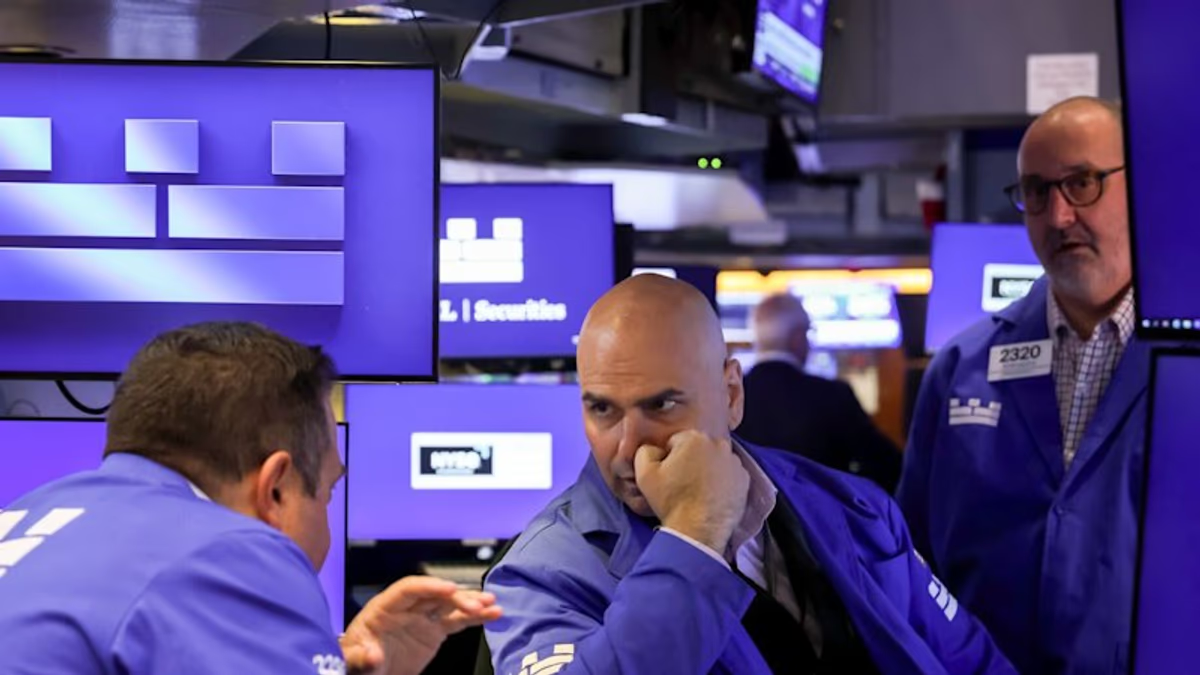
Market participants now expect another wave of hostilities, possibly soon after the US midterm elections, and that outlook has helped push West Texas Intermediate up by more than 10% this month.
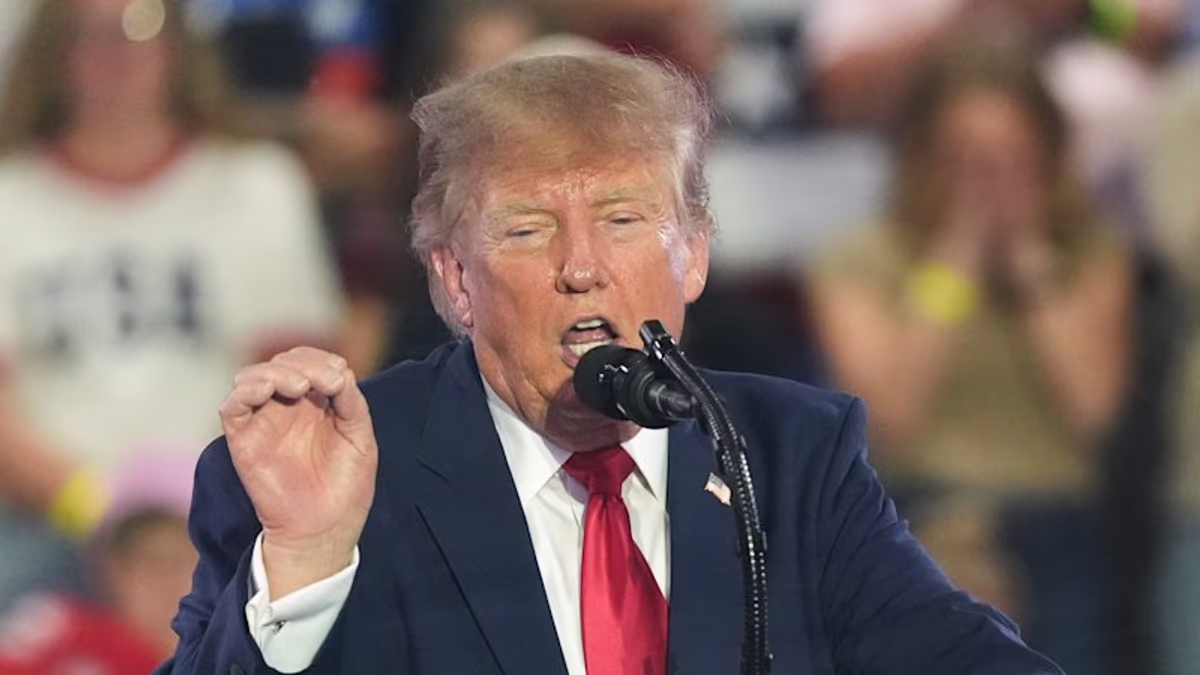
“I have a decision to make: Do I finish it off, which would be very easy to do, or do I make a deal?”
President Donald Trump made that remark in an October 25 interview with Fox News, repeating a line he has used several times since the conflict began.
Iran’s leadership also continues public negotiating signals: Supreme Leader Mojtaba Khamenei met security chief Mohsen Rezaee and reaffirmed Tehran’s conditions for ending what officials describe as a neither-war-nor-peace state.
Both Washington and Tehran face tough costs from a full-scale escalation, which helps explain why neither appears ready to choose an extreme course. The US Navy’s blockade has largely cut Iran out of oil exports and, according to analysts cited in market discussions, that situation could persist until President Trump leaves office in early 2029 if current policy holds.
Flows of crude from the wider Middle East have recovered more than many expect. Commodity intelligence firm Vortexa reported that shipments from the region excluding Iran climbed to about 16.5 million barrels a day in the first half of October, close to pre-conflict levels, and more recent, incomplete data points to continued improvement.
US Secretary of Energy Chris Wright said supply has returned to roughly 80 per cent of pre-war levels, adding that the situation has produced a workable market price.
“That doesn’t make us comfortable, but it has made a viable, reasonable price today,”
Wright said this month.
The price rally masks an uneven picture: oil is still leaving the region despite repeated Iranian strikes on tankers and infrastructure, while the risk of Tehran retaliating against regional energy assets keeps a premium in place. For Iran the economic pain is mounting: its currency, the rial, has lost about a quarter of its value against the US dollar in the past two months and officials warn the country faces its worst contraction since the Iran-Iraq war in the early 1980s. The Islamic Revolutionary Guards Corps continues to use smuggling networks to move funds and sustain key parts of the regime.