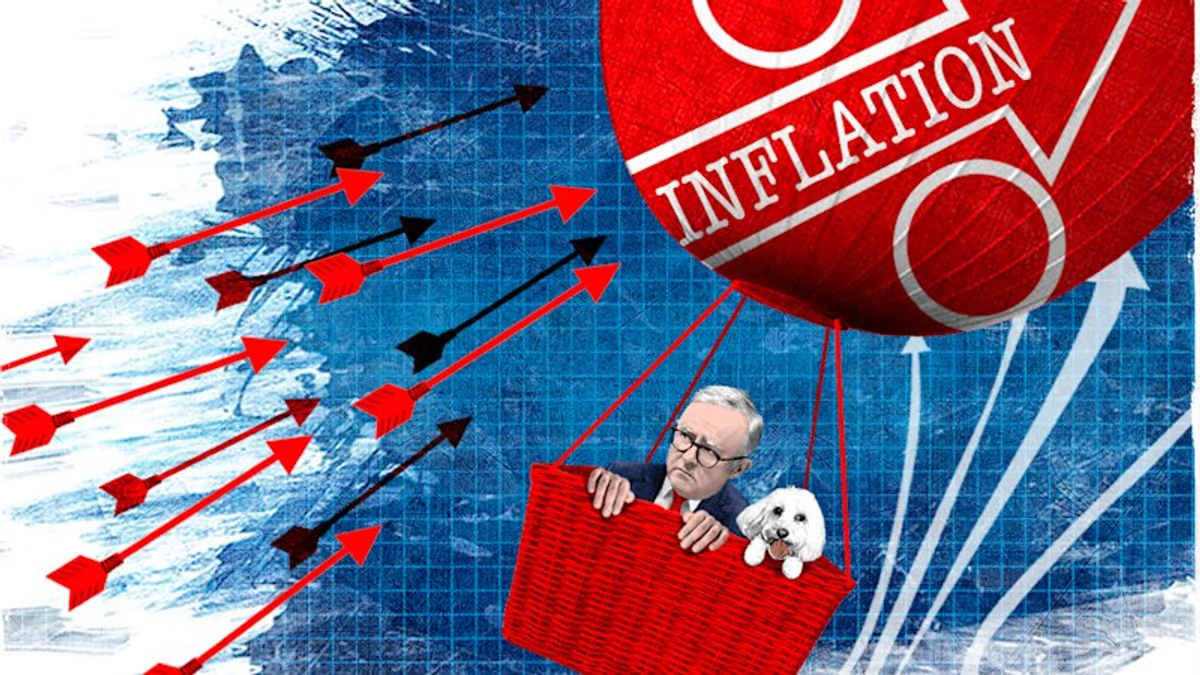
A prominent commentator has accused the Albanese government of triggering sharper house-price falls and denting investor confidence through policies introduced in the 2026 federal budget.
The criticism focuses on two headline measures: an increase to capital gains tax and the immediate end to negative gearing on existing rental properties, with the capital gains tax changes not due to take effect until July 2027.
The column argues Treasury’s costings were incomplete and that the modelling underpinning the budget was hurried. That modelling had suggested only a modest impact on housing, but property prices have declined by more than the 2 per cent dampener Treasury reportedly used in its forecasts.
The timing of the changes has compounded the effect, according to the columnist. Rising interest rates, a tight rental market and cost-of-living pressures have coincided with the policy shifts, amplifying losses for homeowners and investors.
The capital gains tax amendment prompted an immediate backlash from small businesses and technology start-ups, and the government has since introduced carve-outs for those groups. Critics warn the structure of the tax will discourage investors from making riskier investments in early-stage Australian ventures at a time when investment is needed.
The columnist also singled out the decision to delay the tax changes until the 2027-28 tax year as politically calculated, saying this means many ordinary investors will not see the extra tax bite until after the 2028 election. That timing, the critique says, limits immediate political damage while allowing the government to claim a mandate if the measures survive the vote.
Scepticism about the budget’s savings stretches beyond property measures. The columnist noted Treasury’s lead actuary has described planned cuts to the National Disability Insurance Scheme as implausible, and warned that an expected 5 per cent “efficiency dividend” in the public service has not been realised even as the public service wage bill has increased.
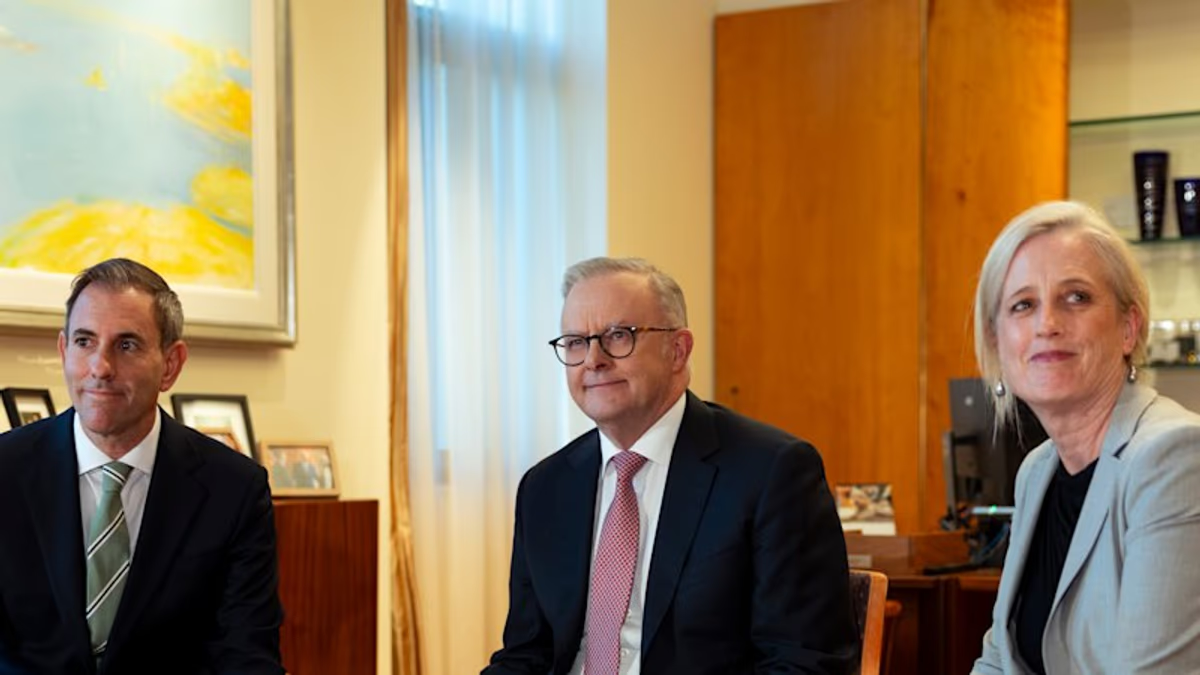
The piece also criticises the government’s public communication and consultation. It argues ministers including Prime Minister Anthony Albanese, Treasurer Jim Chalmers and Finance Minister Katy Gallagher have struggled to explain details, and that a post-budget Senate inquiry was rushed in ways that limited dissenting voices.
The column highlighted a specific household impact: first-home buyers who entered the the five per cent deposit scheme now face larger loan balances on assets falling in value, a situation the columnist described as particularly unfair to new entrants to the market.
The comments were made by Parnell Palme McGuinness, who is identified as an insights and advocacy strategist with past work for the Liberal Party and the German Greens, a senior fellow at the Centre for Independent Studies, and an advisory board member of Australians For Prosperity, which receives some funding from the coal industry.