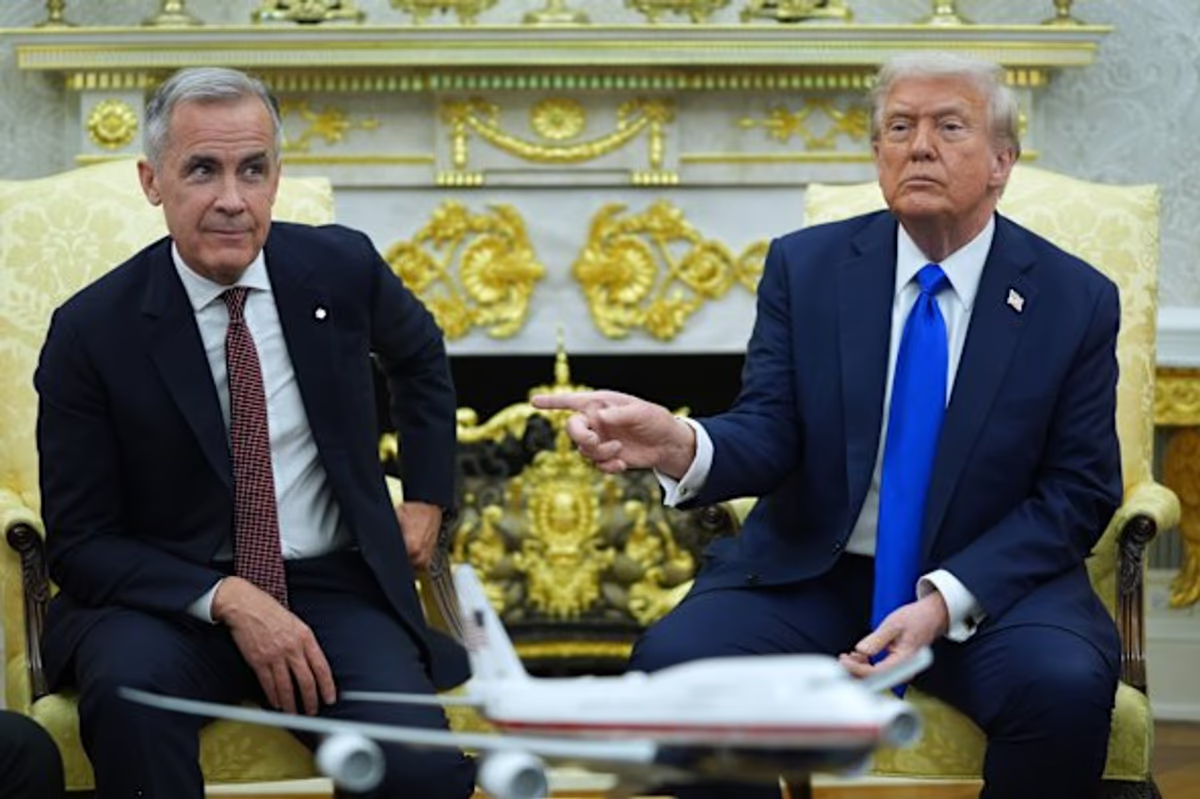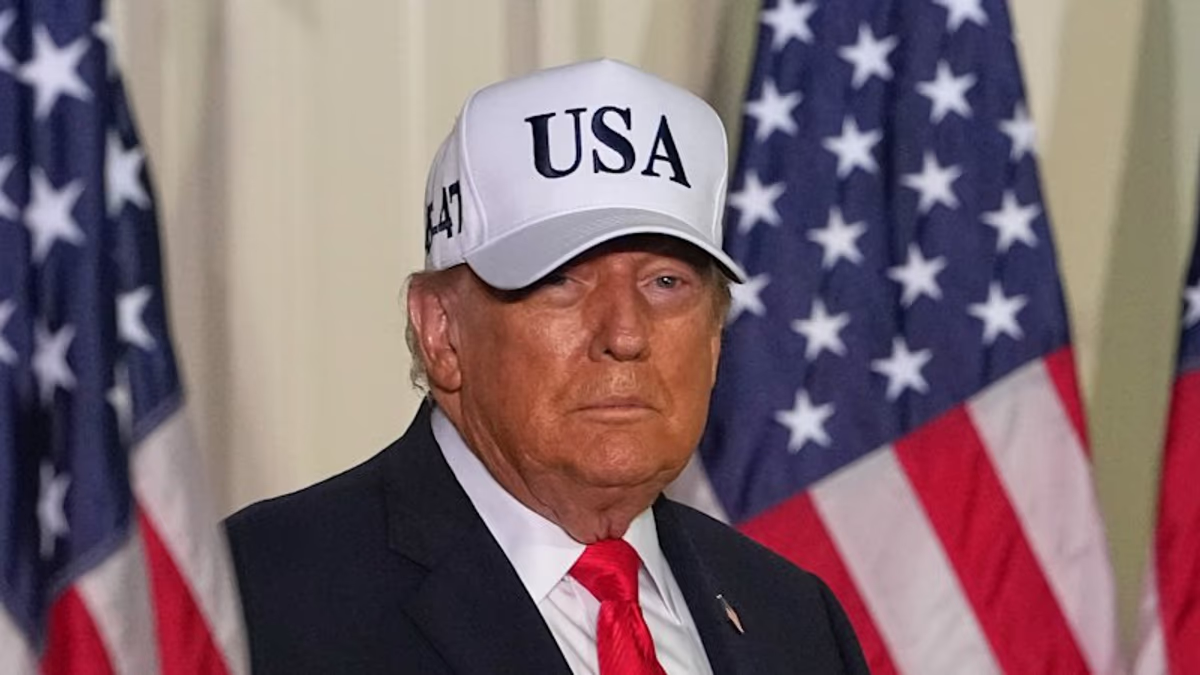
Democrats captured control of both the House and the Senate in the US midterm elections on November 3, delivering a sharp political setback to President Donald Trump and his Republican colleagues.
Analysts and commentators described the outcome as the biggest wave-election since Watergate, with Democratic victories reaching deep into states that were once reliably Republican, from South Carolina to Texas.
The night produced surprising state-level results. Kansas elected its first Democratic senator since the New Deal era, while Texas returned a Democrat to the Senate for the first time in almost 40 years and voted out a three-term governor.
Voter anger over economic pressures played a clear role. Many Americans objected to policy choices connected to higher costs, including tariff measures and military action against Iran, and a Gallup survey finds nine in ten adults view corruption in government as widespread, a level comparable with Nigeria.
Polls just before the election showed 80 per cent of Americans wanted either “substantial change” or “complete and total upheaval” in how the country is run.
Traditional Republican tactics failed to deliver gains. Extensive redistricting and gerrymandering did not protect expected seats, and high-profile outside spending was ineffective: Elon Musk put more than $US150 million ($217 million) into a Texas contest but his preferred candidate lost. Campaigns that stoked fears about Muslims and transgender people also underperformed, and a controversial ad in Ohio featuring a mother and her abused daughter coincided with that candidate’s defeat.
The result hands Republicans a moment of reckoning. With control of the party firmly associated with Mr Trump, Republican lawmakers must decide whether to maintain loyalty to the president or rebuild the party around different figures and policies. Some insiders warn that dissenters risk political retribution, while others argue that the president’s influence could fade quickly once challenged.
For Democrats, victory brings opportunity and risk. The party’s campaign combined promises to reduce costs for households with vows to tackle corruption and incompetent government. If Democrats focus overwhelmingly on oversight and prosecutions, they could struggle to pass legislation that restores or expands funding in areas such as health care.
Mr Trump nevertheless retains significant powers during the remainder of his term. He could prioritise pardons for allies, take punitive actions against opponents, push for state-supported commercial ventures, or ramp up deportations. He also keeps decisive authority over foreign policy and could pursue further strikes on Iran, pressure Ukraine into concessions with Russia, or take aggressive action towards Cuba, actions that critics say a leaner executive branch might struggle to contain as senior staff depart.
Control of both chambers now rests with Democrats, creating new dynamics in Washington over prices, spending and oversight. The election delivered a clear signal from voters that economic pressure and perceived corruption figured heavily in their decisions, and both parties will face intense scrutiny over whether they convert the verdict into policies that change daily life for American households.